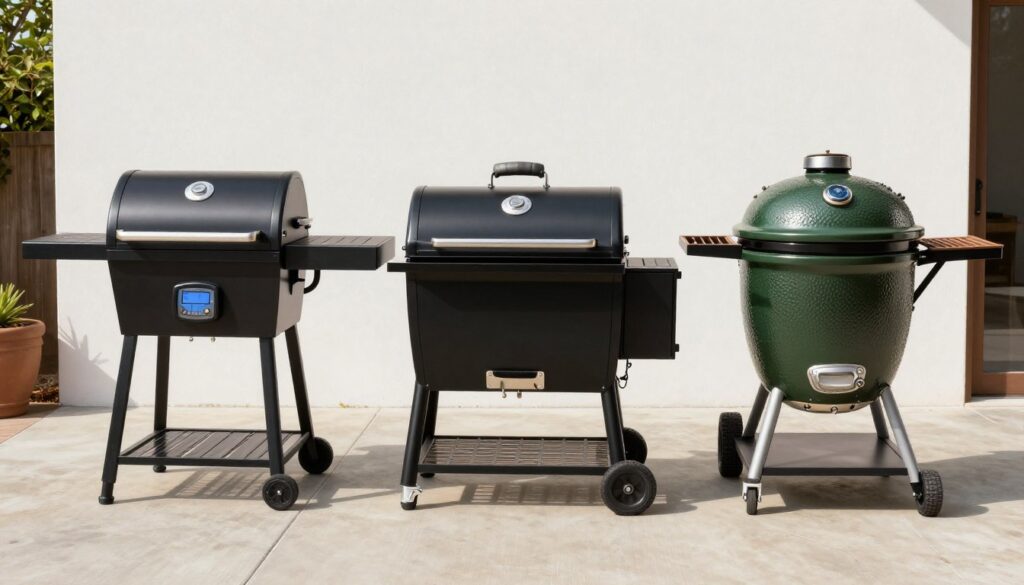
The hardest part about getting into smoking is not learning to cook brisket. It is picking which type of smoker to buy. All three major formats make outstanding BBQ. The problem is they require completely different skill levels, time commitments, and lifestyles. The wrong choice does not mean bad BBQ. It means a smoker that collects dust in your garage while you order takeout.
You have watched enough YouTube videos to know what pork shoulder looks like after 12 hours of smoke. Now you need someone to tell you which smoker fits how you actually cook. This guide uses a decision tree approach. By the end, you will know exactly which format matches your situation. No more paralysis. No more second guessing. Just a clear path to your first smoker purchase.
“Backyard-Grilling.com is a participant in the Amazon Services LLC Associates Program. As an Amazon Associate we earn from qualifying purchases at no additional cost to you.”
Quick Verdict
- Pellet Grill — Best for beginners and busy cooks who want great results with minimal babysitting
- Offset Smoker — Best for traditionalists who want the most authentic smoke flavor and don’t mind the work
- Kamado — Best for versatile backyard cooks who want one grill that does everything exceptionally well
What Are We Actually Comparing?
These three smoker types operate on fundamentally different principles. A pellet grill uses an electric auger to feed compressed wood pellets into a firepot. A digital controller maintains your set temperature automatically. You plug it in, set the dial, and walk away. It runs on wood pellets and electricity.
An offset smoker places the firebox to the side of the main cooking chamber. You manage a live fire manually using logs or charcoal. Heat and smoke travel from the firebox into the chamber where your food cooks. Temperature control happens through vent adjustment and fuel management. It requires constant attention.
A kamado grill features thick ceramic walls that retain heat with extreme efficiency. Charcoal fuel sits in the bottom. You control airflow through top and bottom vents. The design allows for both low and slow smoking at 225°F and high heat searing above 700°F. One cooker handles multiple cooking methods.
Head-to-Head Smoker Comparison
| Category | Pellet Grill | Offset Smoker | Kamado |
| Ease of Use | Set temperature and forget it | Constant fire management required | Moderate learning curve for vent control |
| Smoke Flavor Intensity | Mild to medium smoke | Deep, complex smoke flavor | Medium smoke with charcoal character |
| Temperature Range | 180°F to 500°F | 225°F to 350°F (practical range) | 200°F to 750°F+ |
| Fuel Cost | $1 to $2 per hour | $2 to $4 per hour (wood logs) | $0.50 to $1 per hour |
| Best For | Weeknight dinners and long unattended cooks | Weekend warriors and competition BBQ | All-around grilling and smoking versatility |
| Worst For | Off-grid cooking or power outages | Busy schedules and cold weather | Cooking for large groups |
| Price Range | $400 to $1,300 | $300 to $600 | $200 to $1,500+ |
| Learning Curve | Minimal – first cook success rate high | Steep – expect failures while learning | Moderate – takes practice but forgiving |
Pellet Grills — The Best Choice for Most People
A pellet grill operates with mechanical precision. An electric auger feeds wood pellets from a hopper into a firepot where they ignite. A digital controller monitors chamber temperature and adjusts pellet feed rate automatically. You set your target temperature on a dial. The grill maintains that temperature within five to ten degrees for hours without intervention.
This format wins for beginners because it removes fire management from the equation. No adjusting vents every 20 minutes. No worrying about temperature swings. No adding fuel at precise intervals. You prepare your meat, set the temperature, and go inside. The pellet grill handles the rest while you watch a game or help with homework.
The Real Talk on Smoke Flavor
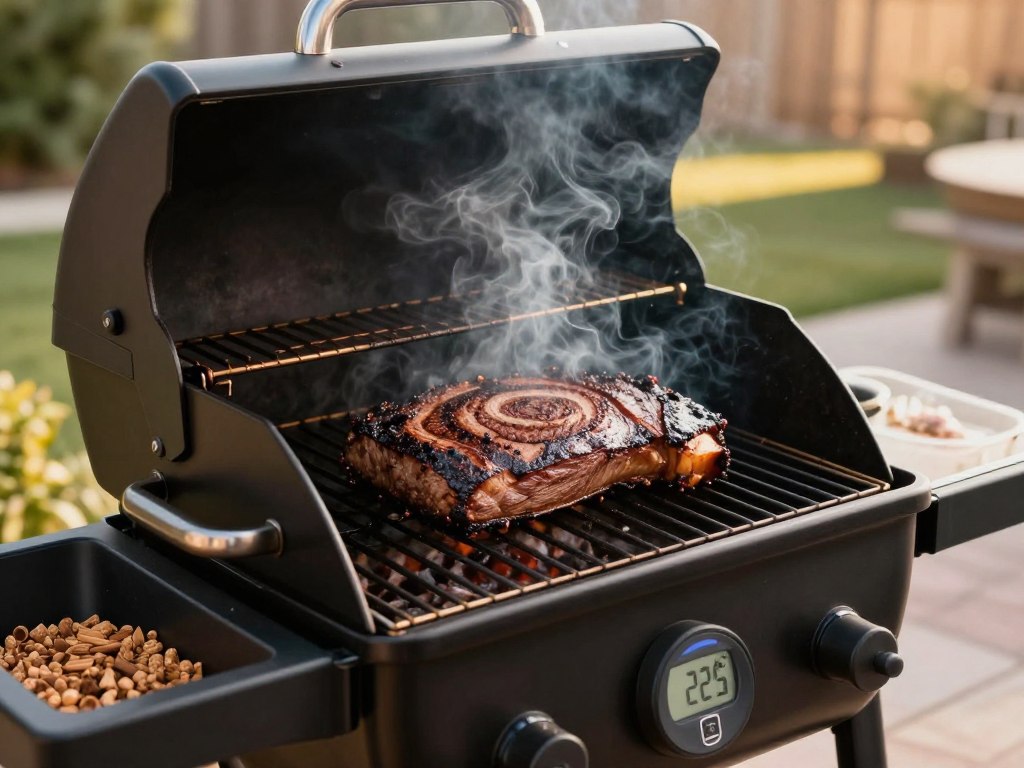
Pellet grills produce a milder smoke profile than offset smokers or kamado grills. That is not a flaw. It is a feature for people who want smoke flavor without overwhelming their food. The smoke from pellets is clean and consistent. Your brisket tastes like beef with a hint of wood, not like a campfire.
Most pellet grill owners prefer this lighter smoke. It lets the meat flavor come through. You can smoke chicken or fish without making them taste like charcoal. Kids and non-BBQ fanatics actually enjoy the food. If you want heavier smoke, you can add a smoke tube with extra pellets. The flexibility goes both ways.
Best Use Cases for Pellet Grills
Pellet grills excel at long, unattended cooks. Brisket that needs 14 hours overnight works perfectly. Pork shoulder for pulled pork during a workday is no problem. Ribs while you run errands on Saturday afternoon happens without stress. The set-it-and-forget-it capability changes how you approach smoking.
Weeknight smoking becomes realistic with a pellet grill. Chicken thighs at 350°F for 45 minutes after work is easy. Smoked salmon for Sunday brunch takes minimal effort. You use it more often because it does not demand your entire day. Frequency of use matters more than any single perfect cook.
Honest Limitations of Pellet Grills
You need an electrical outlet within extension cord reach. Power outages stop your cook immediately. The auger motor can fail, though quality brands rarely have issues. Pellets must stay dry or they jam the auger. You cannot achieve the same deep smoke flavor as burning logs directly. These tradeoffs are worth it for most people, but they exist.
Our Top Pellet Grill Picks
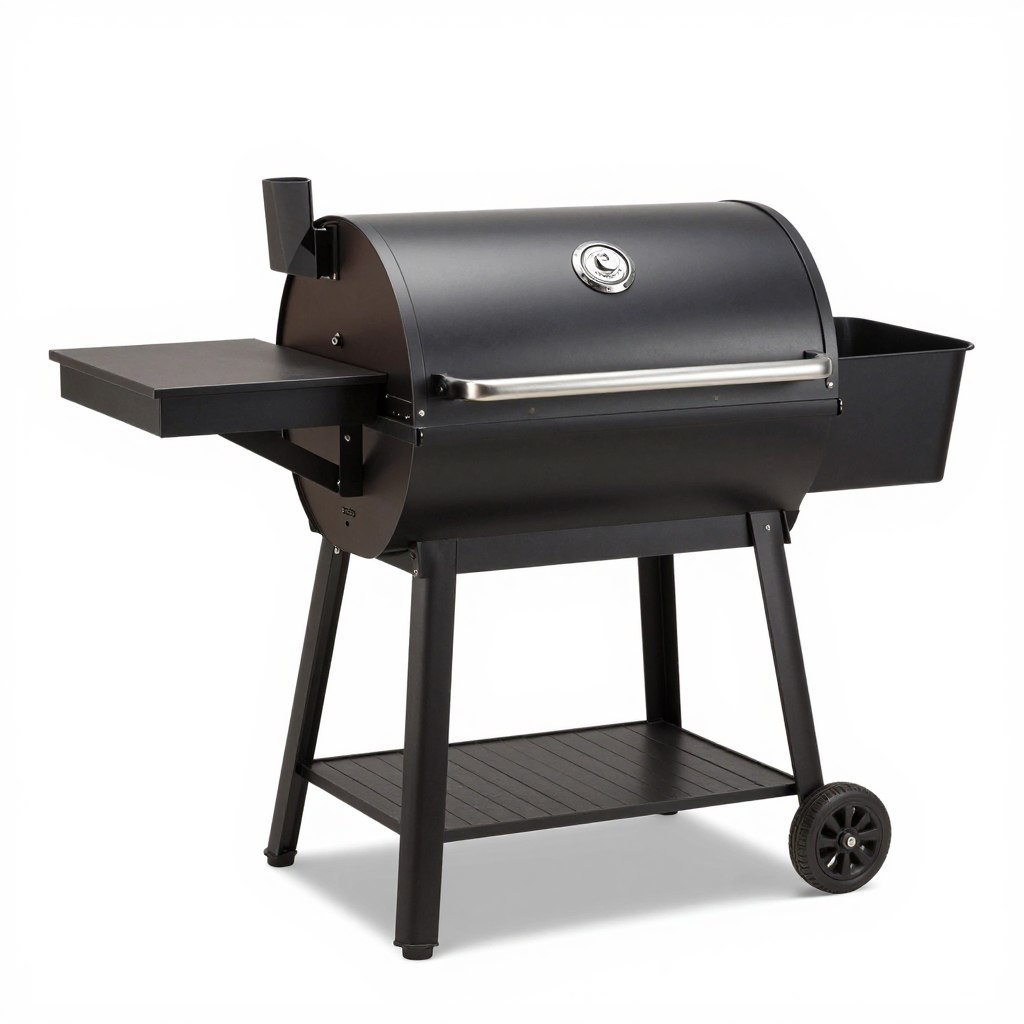
Camp Chef Woodwind Pro 36
~$1,299
The Smoke Control dial gives you a range from one to ten for flavor intensity. This feature provides more smoke control than any other pellet grill at this price point. You adjust smoke level without changing cooking temperature.
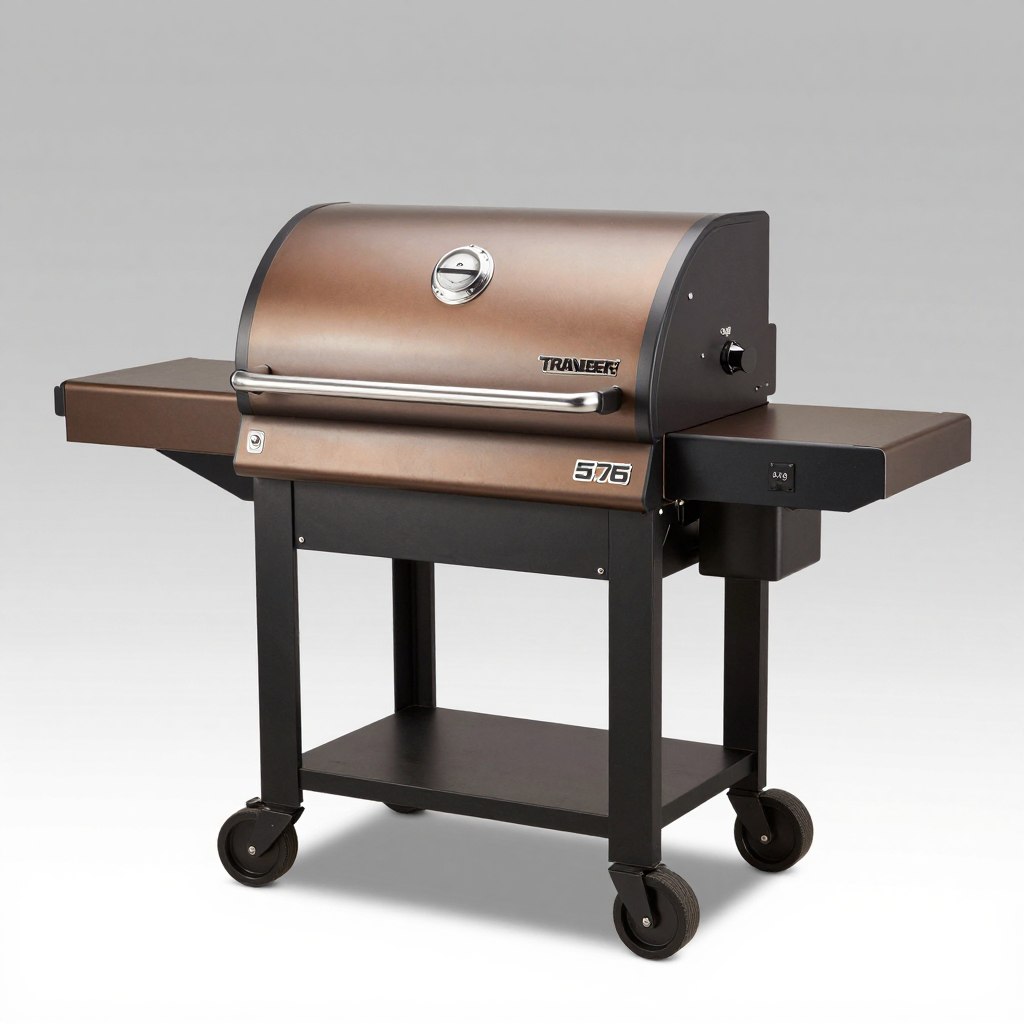
Traeger Pro 575
~$799
This is the right first pellet grill for most people. It offers WiFi connectivity for remote monitoring and enough cooking space for family meals. The build quality supports years of regular use without issues.
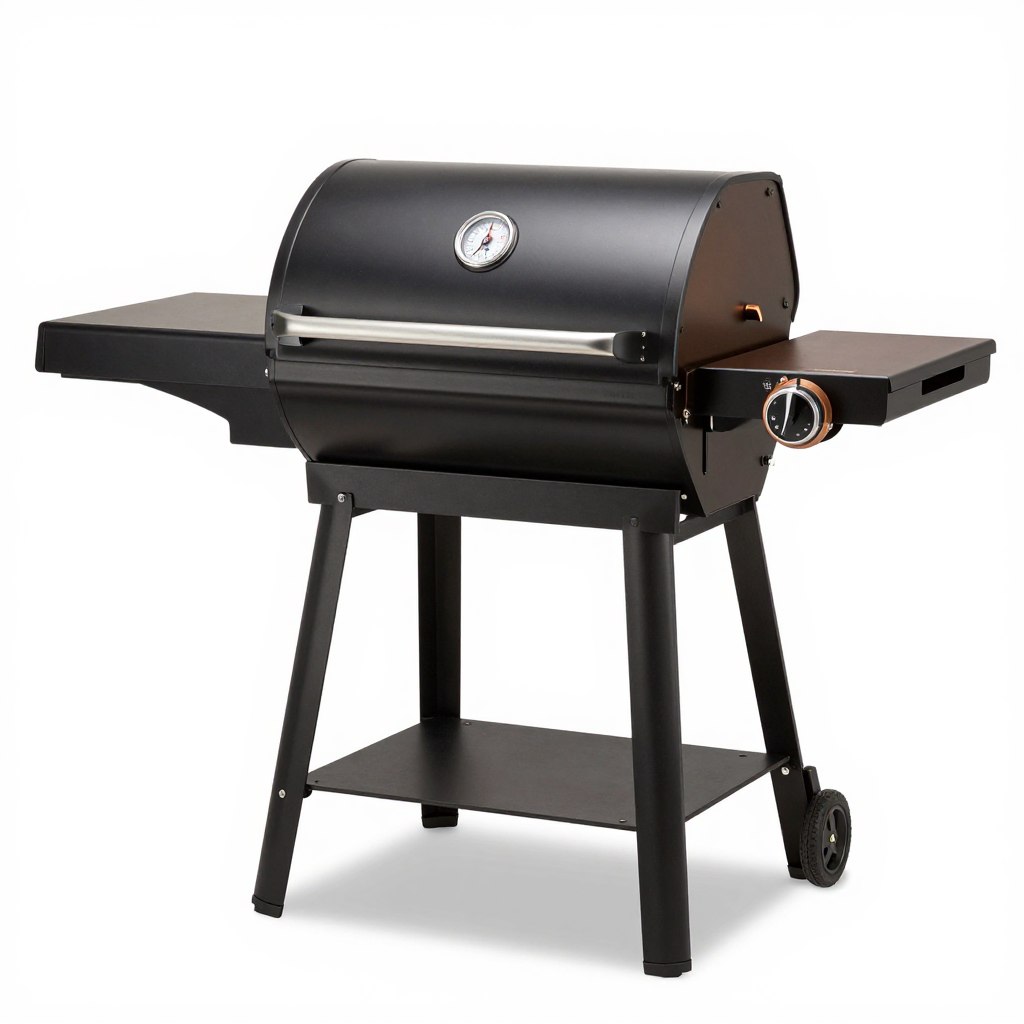
Traeger Tailgater 20
~$399
Portable, affordable, and a real pellet grill instead of a toy. This model fits in truck beds for tailgating. The 20-inch cooking surface handles enough food for a family of four without requiring a huge budget.
Offset Smokers — The Hardest to Master, the Most Rewarding to Own
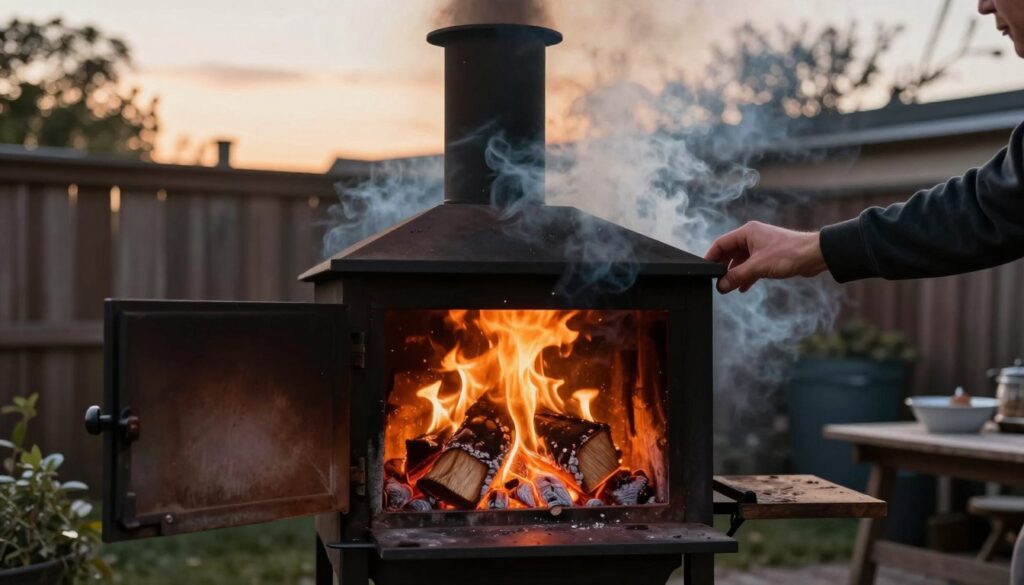
An offset smoker separates the firebox from the cooking chamber. You build and maintain a live fire in the offset firebox using wood logs or charcoal with wood chunks. Heat and smoke travel horizontally into the main chamber where your meat cooks. You control temperature by adjusting intake and exhaust vents and managing fuel levels.
Serious pitmasters prefer offset smokers because direct wood combustion produces the most complex smoke flavor of any cooking method. Burning logs creates layers of smoke compounds that penetrate meat differently than pellets or charcoal alone. Competition BBQ teams and traditional smokehouse operations rely on offset smokers for authentic results.
The Reality of Difficulty
Temperature management demands constant attention with an offset smoker. You check and adjust the fire every 30 to 45 minutes during long cooks. Adding fuel, adjusting vents, and monitoring temperature becomes a hands-on process. You cannot start a brisket cook and leave for four hours. Someone must tend the fire continuously.
Expect failures while learning offset smoking. Your first brisket might finish too early or too late. Temperature swings of 50 degrees happen until you develop feel for your specific smoker. Weather conditions affect performance significantly. This learning curve frustrates people who want immediate success. The payoff comes after you develop the skill.
Best Use Cases for Offset Smokers
Competition BBQ represents the primary domain of offset smokers. Teams serious about winning invest time mastering fire management because judges reward the deep smoke flavor only offsets deliver. Cooking for crowds works well since most offset smokers offer large cooking surfaces. Weekend cooks who enjoy the process more than the convenience find offset smoking deeply satisfying.
Brisket and ribs reach their peak potential on an offset smoker when cooked properly. The bark development and smoke ring formation exceed what other formats produce. If flavor is your absolute priority and you have time available, an offset smoker delivers results nothing else matches. The commitment required filters out casual users.
Cold Weather Challenges
Offset smokers struggle to maintain temperature in cold or windy conditions without modifications. Thin steel construction loses heat quickly. Wind blowing across the cooking chamber pulls heat away faster than your fire can replace it. Many offset owners add insulation blankets, seal leaks with gaskets, and build wind breaks to improve cold weather performance.
Our Recommended Offset Smokers
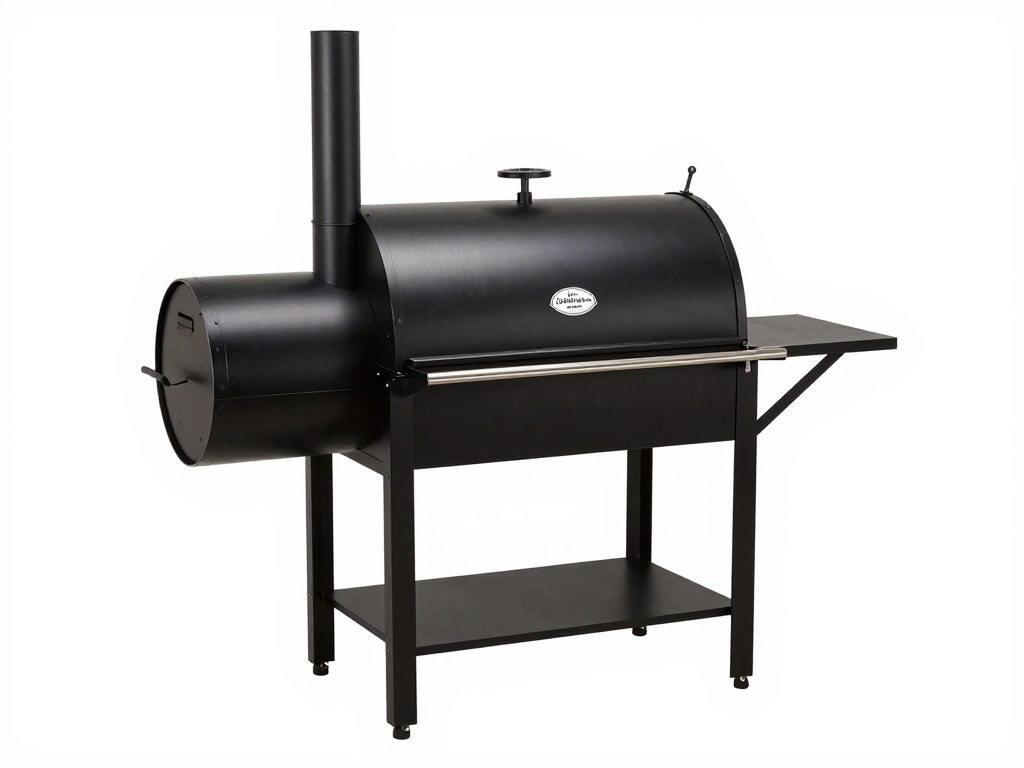
Oklahoma Joe’s Highland
~$349
Most beginners start with the Highland because it offers legitimate offset smoking capability at an entry price point. The construction is adequate out of the box and accepts modifications well. Upgrades like gasket seals and baffle plates transform it into a competition-worthy smoker. Many pitmasters still use modified Highlands after years of experience.
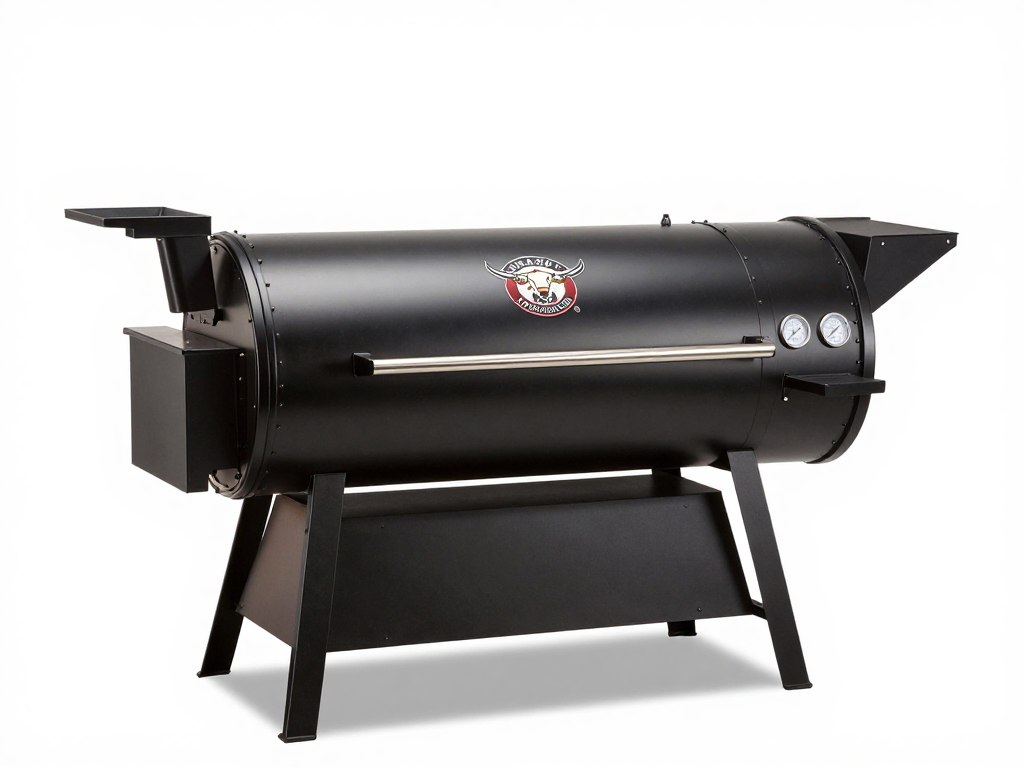
Oklahoma Joe’s Longhorn Reverse Flow
~$549
The reverse flow design solves the uneven heat problem that plagues standard offset smokers. Smoke travels under a baffle plate before rising around your food. This creates more consistent temperatures across the entire cooking surface. The Longhorn costs more than the Highland but eliminates the need for immediate modifications.
Kamado Grills — The Most Versatile Cooker You Can Own
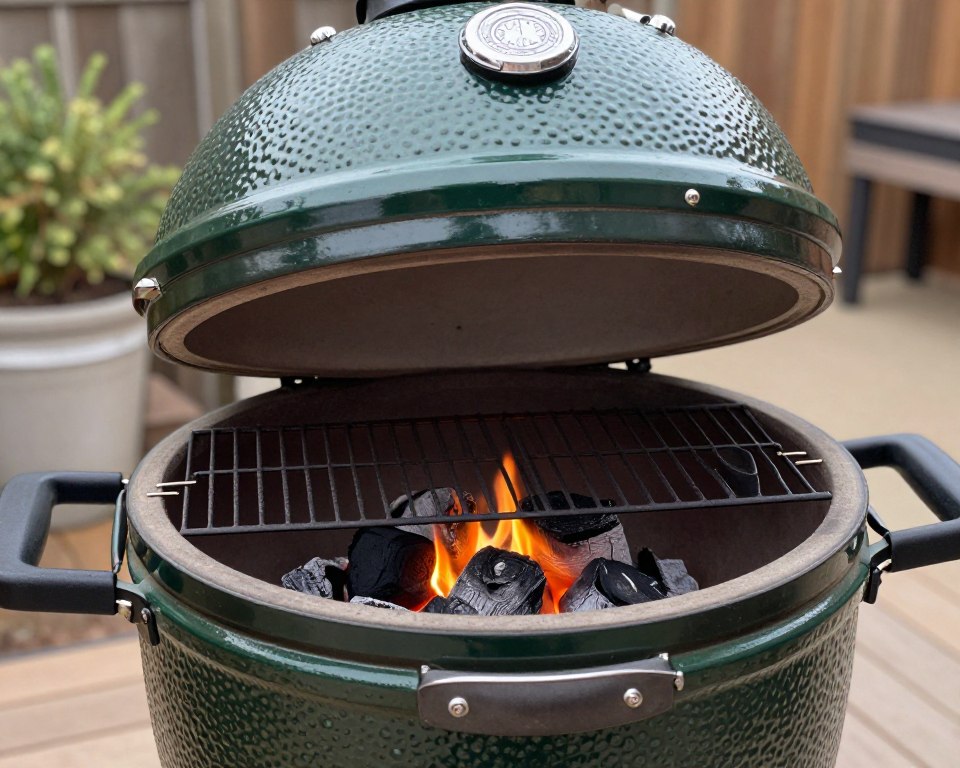
Kamado grills feature thick ceramic walls that provide exceptional heat retention and insulation. Charcoal fuel burns in the bottom of the egg-shaped chamber. You control airflow and therefore temperature through adjustable top and bottom vents. The ceramic construction allows for extreme temperature ranges from low and slow smoking to high heat pizza baking.
The unique versatility of a kamado means you can smoke brisket at 225°F for 18 hours one weekend, then sear steaks at 700°F the next evening. The same cooker handles indirect smoking, direct grilling, roasting, and baking. Many backyard cooks prefer owning one excellent multi-purpose grill over multiple specialized units.
The Learning Curve for Vent Control
Vent management on a kamado takes practice but proves more forgiving than offset smoker fire management. Close the vents too much and the fire smothers slowly, giving you time to react. Open them too wide and temperature rises gradually, not instantly. The thermal mass of ceramic walls stabilizes temperature swings that would happen immediately in thin metal cookers.
Most kamado owners master basic temperature control within three to five cooks. You learn how your specific grill responds to vent adjustments. The process is easier than managing an offset but harder than setting a digital controller on a pellet grill. The middle ground appeals to cooks who want involvement without constant babysitting.
Best Use Cases for Kamado Grills
The backyard cook who wants one grill that handles everything finds the ideal solution in a kamado. You smoke pork shoulder low and slow on Saturday. You grill burgers and hot dogs Sunday afternoon. You bake pizza Thursday evening at 650°F. You sear tuna steaks Friday night. One fuel type and one cooker accomplish all of this without compromise.
Fuel efficiency makes kamado grills economical for frequent use. A full load of lump charcoal provides heat for multiple short cooks or one extremely long cook. The ceramic insulation requires less fuel to maintain temperature compared to thin metal grills. Long term operating costs stay low despite higher initial purchase prices.
The Limitations of Kamado Cooking
Ceramic kamado grills carry significant weight. Moving them requires a wheeled cart or permanent installation location. The cooking surface on a standard large kamado accommodates a family but not a crowd of 20 people. You cannot cook a dozen racks of ribs at once. True ceramic kamados from premium brands require substantial investment, though quality units last decades.
Our Kamado Recommendation
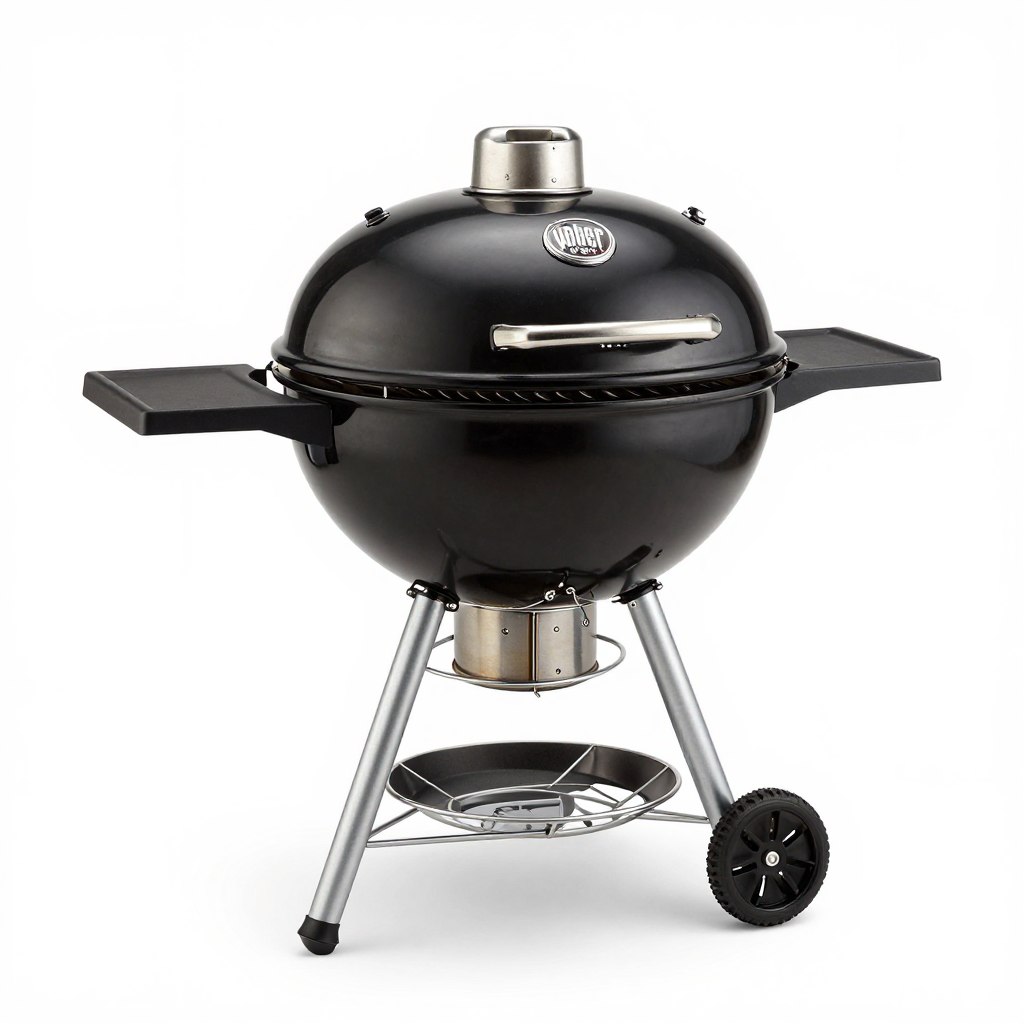
Weber Original Kettle Premium 22″
~$219
This is not a true ceramic kamado but it serves as the best entry point for learning indirect charcoal cooking before committing to a Big Green Egg. The Weber Kettle handles low and slow smoking with a two zone fire setup. You learn vent control and charcoal management at a fraction of the cost. Many pitmasters still use Weber Kettles alongside expensive kamados for specific applications.
Which Smoker Is Right for You? Answer These 3 Questions
Stop reading reviews and answer three simple questions. Your responses reveal which smoker format matches your actual cooking style, not your aspirational BBQ dreams. Be honest about your available time and commitment level. The best smoker is the one you will actually use every month, not the one that wins competitions you will never enter.
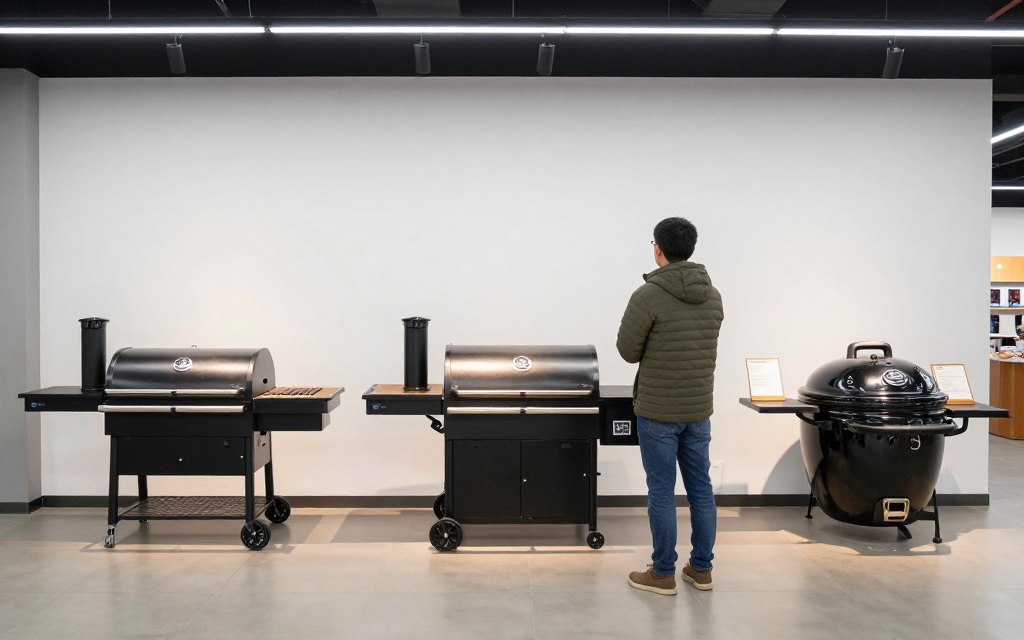
Question 1: How Much Time Do You Want to Spend Managing the Cook?
Answer A: I want to set it and walk away. You have family obligations, work commitments, or other activities that prevent babysitting a smoker for hours. You want to start a cook and handle other responsibilities while it runs. Choose a pellet grill. The automatic temperature control lets you live your life while smoking excellent BBQ.
Answer B: I will tend it but do not want to babysit every 30 minutes. You enjoy checking on your food periodically and making minor adjustments. You can dedicate a Sunday afternoon but not your entire weekend. A kamado grill fits this middle ground. Check it every hour or two, adjust vents slightly, and return to other activities.
Answer C: I want to manage a live fire and be involved in every step. The process matters as much as the results. You enjoy the craft of fire management and developing that skill set. Tending a fire for 12 hours sounds satisfying rather than tedious. An offset smoker rewards this dedication with unmatched smoke flavor and traditional BBQ credibility.
Question 2: What Matters More — Convenience or Smoke Flavor?
Answer A: I want great BBQ with the least effort. Your priority is serving delicious smoked meat to family and friends without making it a second job. Mild to medium smoke flavor from a pellet grill tastes better to most people anyway. Choose convenience and use your smoker three times as often as offset owners.
Answer B: I want the deepest, most complex smoke flavor possible. You taste the difference between pellet smoke and log smoke. The bark and smoke ring matter to you. Competition-level results justify the time investment. An offset smoker delivers the flavor profile you are chasing, but only if you commit to mastering it.
Answer C: I want both and I am willing to learn. You appreciate good smoke flavor but refuse to sacrifice your entire day. A kamado grill produces better smoke than a pellet grill while requiring less attention than an offset. The learning curve is real but manageable. This balanced approach suits experienced grillers ready to expand their skills.
Question 3: Will You Cook for Large Groups or Just Family?
Answer A: Family of four to six, occasional guests. Either a pellet grill or kamado works perfectly. Both formats handle typical family meals easily. Choose based on your answers to questions one and two. Large cooking surface is not your deciding factor.
Answer B: I cook for crowds regularly. You host parties, team gatherings, or large family events. A pellet grill provides the cooking surface area you need without requiring multiple units. Models like the Camp Chef Woodwind Pro 36 offer enough space for several briskets or dozens of chicken pieces simultaneously.
Answer C: I want to master competition BBQ. Start with an offset smoker. Competition judging rewards the specific flavor profile that offset smokers produce. You will eventually add other cookers but your foundation should be learning proper offset technique. The Oklahoma Joe’s Highland costs less than pellet grills while teaching essential skills.
Your Decision Summary
If you answered mostly A across these three questions, buy the Traeger Pro 575 and stop researching. You want convenience and consistency. That pellet grill delivers both while producing BBQ that makes people ask for your recipe. You will use it constantly because it fits your lifestyle.
If you answered mostly C, start with the Oklahoma Joe’s Highland offset smoker. You value tradition and flavor over convenience. Accept that you will burn some meat while learning. The skills you develop translate to all types of cooking. Join online offset smoking communities for support during the learning phase.
If you answered mostly B or got a mix of A, B, and C responses, the kamado path is yours. A Weber Kettle teaches you charcoal basics cheaply. Upgrade to a ceramic kamado when you confirm that vent management works with your schedule. The versatility of kamado cooking rewards the effort you invest.
Ready to Get Started?
Based on your answers, here is your next step. If you chose the pellet grill path, the Traeger Pro 575 gives you the best balance of features, reliability, and value. Most first-time smoker buyers choose this exact model and use it for years without regrets.
Understanding Fuel Types and Ongoing Costs
Fuel choice impacts both flavor and your monthly budget. Each smoker type uses different fuel with distinct cost profiles and availability concerns. Understanding these differences prevents surprises when you calculate the real cost of ownership beyond initial purchase price.
Wood Pellets for Pellet Grills
Wood pellets come in 20 to 40 pound bags costing $15 to $25 depending on brand and wood type. A typical cook uses one to two pounds per hour at smoking temperatures. Long cooks consume more pellets. Pellets must stay completely dry or they crumble and jam your auger. Store bags in a sealed container inside your garage or shed.
Different wood types produce subtle flavor variations. Hickory provides strong traditional smoke. Apple and cherry offer milder fruity notes. Competition blend mixes multiple woods for balanced flavor. Most people cannot taste dramatic differences between pellet brands despite marketing claims. Buy quality pellets without obsessing over exotic wood varieties.
Wood Logs and Charcoal for Offset Smokers
Offset smokers run on split wood logs, lump charcoal with wood chunks, or a combination of both. Split hardwood logs cost $200 to $400 per cord depending on your region and wood type. You need seasoned wood dried for at least six months. Green wood produces bitter smoke that ruins meat.
Most offset smoker owners use lump charcoal as a heat base and add wood chunks or splits for smoke flavor. This approach costs $2 to $4 per hour of cooking time. Pure log burning costs more but produces the deepest smoke flavor. Source your wood locally to minimize expense. Many tree services give away hardwood for free if you haul it yourself.
Lump Charcoal for Kamado Grills
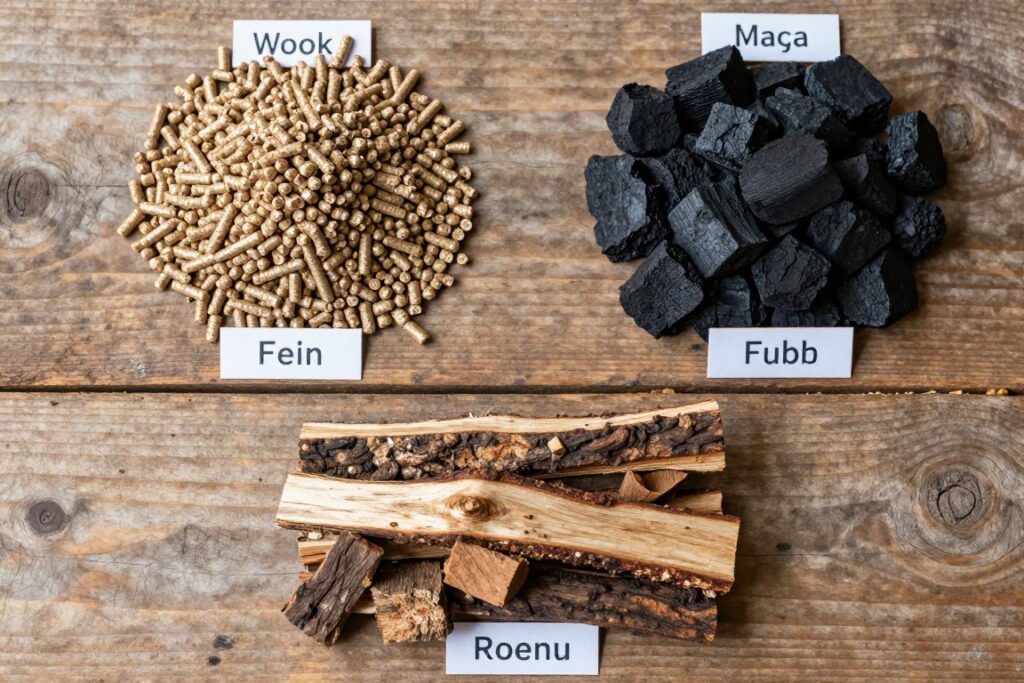
Kamado grills burn lump charcoal most efficiently. A 20 pound bag costs $20 to $35 for quality brands. The ceramic insulation means you use far less fuel than other charcoal cookers. A full load of charcoal supports multiple short cooks or one 18 hour low and slow session. Operating costs average $0.50 to $1.00 per hour.
Avoid briquettes in kamado grills. They contain binders and fillers that create ash buildup. Lump charcoal burns cleaner with less ash. The increased airflow from less ash improves temperature control. Buy lump charcoal in bulk when you find sales. Sealed bags store indefinitely unlike pellets that absorb moisture.
Long Term Fuel Cost Comparison
If you smoke food twice per month for an average of six hours per session, annual fuel costs break down like this. Pellet grills cost approximately $140 to $280 per year. Offset smokers running on charcoal and wood cost $280 to $560 annually. Kamado grills cost $70 to $140 per year. These estimates assume smoking temperatures, not high heat grilling.
Kamado grills deliver the lowest operating costs over time despite higher purchase prices for ceramic models. Pellet grills fall in the middle for both purchase price and operating expense. Offset smokers cost least upfront but most for fuel long term. Factor these ongoing costs into your buying decision alongside initial price.
Mastering Temperature Control Across Different Smoker Types
Temperature stability separates good BBQ from great BBQ. Each smoker format requires different techniques to maintain consistent heat. Understanding these methods before you buy prevents frustration during your first cooks. The time investment for temperature control varies dramatically between formats.
Pellet Grill Temperature Management
Set your desired temperature on the digital controller and the pellet grill maintains it automatically. The auger feeds pellets faster when temperature drops and slower when it rises. Most quality pellet grills hold within plus or minus ten degrees of set point. No manual intervention is required for basic temperature control.
Temperature swings happen during lid opening or in extreme cold weather. Opening the lid drops temperature 50 degrees instantly. The grill recovers in five to ten minutes. Insulated blankets help maintain temperature in winter conditions below 40°F. Otherwise, pellet grill temperature control requires no skill development or practice.
Offset Smoker Fire Management
Maintaining steady temperature on an offset requires constant attention and developed skill. You control heat through three variables: fuel amount, air intake, and exhaust opening. Adding fuel raises temperature slowly over 15 minutes. Opening intake vents increases oxygen and raises heat faster. Closing exhaust vents traps heat but can smother the fire.
The firebox size relative to cooking chamber determines how often you add fuel. Smaller fireboxes need fuel every 30 to 45 minutes. Larger ones run 60 to 90 minutes between additions. You develop feel for your specific smoker through experience. Weather conditions change everything, so documented temperature logs help you learn patterns.
Most offset smoker owners modify their units to improve temperature control. Gasket seals around doors stop air leaks. Baffle plates even out hot spots. Tuning plates direct smoke flow more effectively. These modifications transform cheap offset smokers into reliable cookers. Budget $50 to $150 for common modifications beyond purchase price.
Kamado Vent Control Technique
Kamado temperature control happens through precise vent adjustment. The bottom vent supplies oxygen to fuel. The top vent releases exhaust and controls draft. Opening both vents raises temperature. Closing them lowers heat. The ceramic walls hold temperature steady once you dial in the correct vent positions.
Start with both vents wide open when lighting charcoal. Close vents partially as you approach target temperature. Make small quarter-turn adjustments and wait 10 minutes before further changes. The thermal mass means kamados respond slowly to vent changes. Patience prevents overshooting your target temperature.
Low and slow smoking requires vents barely open, sometimes just a crack. High heat searing needs vents wide open for maximum airflow. You learn the specific vent positions for common temperatures on your kamado within a few cooks. Write down successful settings for future reference until they become automatic.
Maintenance Requirements and Long Term Durability
Regular maintenance extends smoker lifespan and maintains cooking performance. Each format has specific care requirements. Understanding maintenance demands helps you choose a smoker that fits your willingness to perform upkeep tasks. Neglected smokers fail prematurely regardless of initial quality.
Pellet Grill Maintenance
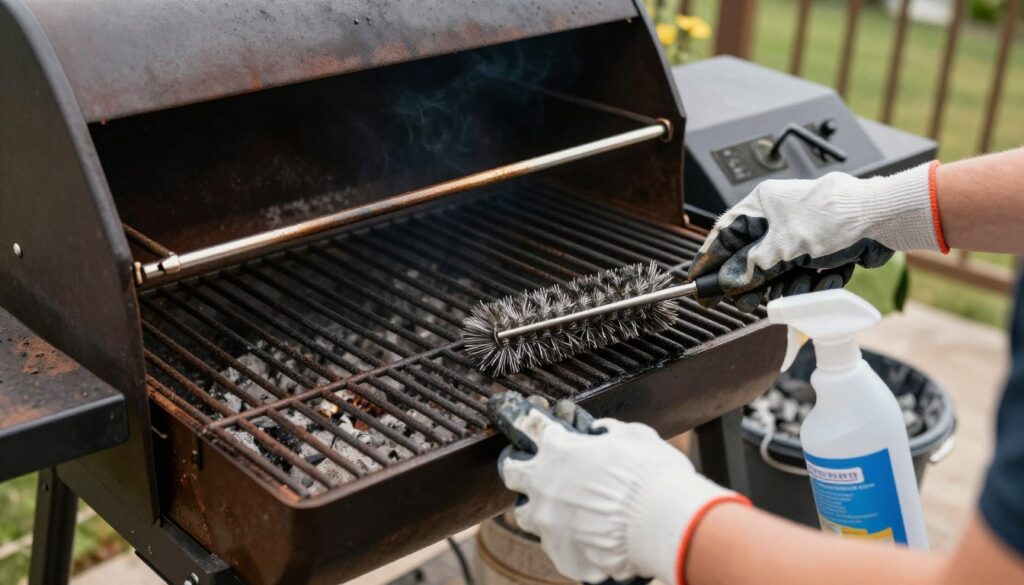
Clean the grease bucket after every cook to prevent fire hazards. Vacuum ash from the firepot every three to five cooks. Grease buildup on heat diffusers requires scraping every month. The auger needs annual inspection and occasional lubrication. These tasks take 15 minutes total per cleaning session.
Pellet grills contain electronic components and motors that can fail. Controller boards, auger motors, and igniter rods represent common replacement parts. Quality brands warranty these components for three to five years. Budget $100 to $200 every few years for component replacement. Store your pellet grill under a cover to protect electronics from weather.
Offset Smoker Maintenance
Scrape cooking grates after each use while still warm. Empty ash from the firebox weekly during heavy use periods. Paint touch-ups prevent rust on areas where the finish chips or scratches. The simplicity of offset smokers means fewer parts fail. Most maintenance involves preventing rust rather than replacing components.
High quality offset smokers built from thick steel last decades with proper care. Entry level models made from thin steel rust through in five to seven years despite maintenance. Applying high temperature paint annually extends lifespan significantly. Store offset smokers under waterproof covers when not in use. Rust is the primary enemy of offset smoker longevity.
Kamado Grill Maintenance
Ceramic kamados require minimal maintenance. Brush the cooking grate after each use. Empty ash every five to ten cooks depending on usage. Inspect gaskets annually and replace when they show wear. The ceramic body lasts indefinitely if not cracked by impact or thermal shock.
Never pour water on a hot kamado. The thermal shock can crack ceramic. Let the grill cool naturally before cleaning. Replace gaskets every two to three years for about $30. Cast iron grates need occasional seasoning like cast iron cookware. Total annual maintenance costs stay under $50 for most kamado owners.
Essential Smoking Techniques for Each Format
Different smoker types excel at specific techniques. Matching your preferred cooking methods to the right smoker format improves results. Some techniques work across all formats while others require specific equipment. Understanding these capabilities guides your purchase decision.
Low and Slow Smoking
All three formats handle low and slow smoking at 225°F to 250°F. Pellet grills make it easiest through automatic temperature control. Offset smokers produce the best flavor but demand the most attention. Kamado grills balance flavor and convenience for dedicated weekend cooks. Choose based on your time availability and flavor priorities discussed earlier.
Brisket, pork shoulder, and ribs represent classic low and slow applications. These cuts need hours of steady heat and smoke to break down connective tissue. Consistency matters more than peak temperature for these cooks. Any smoker that maintains steady temperature succeeds at low and slow smoking with proper technique.
Hot and Fast Smoking
Kamado grills dominate hot and fast smoking at 300°F to 350°F. The ceramic walls hold high heat efficiently. Pellet grills handle these temperatures but consume pellets rapidly. Offset smokers struggle to maintain heat above 300°F without constant fuel addition and wide open vents.
Hot and fast techniques finish brisket in six hours instead of 12 hours at traditional low and slow temperatures. The results differ slightly but save significant time. Chicken and turkey smoke perfectly at 325°F to 350°F, producing crispy skin that low and slow cooking cannot achieve. Consider hot and fast capability if you smoke poultry frequently.
Hybrid Grilling and Smoking
Kamado grills excel at reverse searing steaks. You smoke at 225°F until internal temperature reaches 115°F, then sear over direct high heat at 700°F. This technique is difficult on pellet grills that lack high heat capability. Offset smokers cannot reach searing temperatures effectively.
Some pellet grills include sear boxes or slide-and-grill features for direct flame access. These additions improve versatility but cost extra. A separate gas grill handles searing better than compromise features on pellet grills. Dedicated kamado owners rarely need additional grills because one unit handles all techniques.
Frequently Asked Questions
Does a pellet grill produce as much smoke flavor as an offset smoker?
No, pellet grills produce milder smoke flavor than offset smokers burning wood logs. The compressed pellets generate cleaner, lighter smoke compared to direct log combustion. Most people prefer this milder profile because it does not overpower the meat flavor. If you want maximum smoke intensity, an offset smoker delivers more pronounced smoke character. You can increase pellet grill smoke by adding a smoke tube with extra pellets, but it still will not match a properly managed offset.
Is a kamado grill worth the money?
A kamado grill justifies the cost if you want one versatile cooker instead of multiple specialized units. The ability to smoke low and slow, grill hot and fast, and bake pizza in one ceramic grill eliminates the need for separate smokers and grills. Fuel efficiency saves money long term through reduced charcoal consumption. Ceramic kamados last decades without replacement. If you only smoke occasionally and already own a good grill, a dedicated smoker costs less and makes more sense than a kamado.
What is the easiest smoker for a beginner?
A pellet grill is the easiest smoker for beginners. Set your target temperature and the digital controller maintains it automatically. No fire management skills are required. Most beginners achieve good results on their first cook. The Traeger Pro 575 offers the best combination of beginner-friendly features and long-term capability. You will not outgrow it quickly like cheaper models. Offset smokers require significant skill development and practice before consistent results happen. Kamado grills fall in between but still demand more attention than pellet grills.
Can you grill on an offset smoker?
You can grill on an offset smoker but it works poorly for direct high heat cooking. The design separates fire from food, making searing difficult. Some offset smokers include cooking grates in the firebox for direct grilling, but the small area limits capacity. Most offset smoker owners use a separate grill for burgers, steaks, and other high heat foods. The offset smoker specializes in low and slow smoking where it excels. Trying to make it a multipurpose cooker compromises its primary strength.
How long does a kamado grill last?
Ceramic kamado grills last 20 to 30 years or longer with proper care. The ceramic body does not rust or corrode like metal. Gaskets need replacement every two to three years. Metal hardware like hinges and vents may require replacement after ten years. The cooking grates last five to ten years depending on material and maintenance. Avoid thermal shock by never pouring water on a hot kamado. Physical impact can crack ceramic, so protect your kamado from being knocked over. Many kamado owners pass their grills down to children.
Get Your Free Smoker Comparison Checklist
Download our complete smoker buying guide with side-by-side specifications, fuel cost calculators, and a decision flowchart. We will send you a printable PDF checklist that simplifies your smoker purchase.
Make Your Decision and Start Smoking
The best smoker is the one that fits your actual lifestyle, not the one that wins awards you will never compete for. A pellet grill serves most backyard cooks better than expensive alternatives they use twice per year. An offset smoker rewards dedication with unmatched flavor for people who have time to develop the craft. A kamado grill eliminates the need for multiple cookers if versatility matters more than specialization.
Stop researching and make a decision based on your answers to the three questions from the decision tree section. You know whether you want convenience, flavor, or versatility as your top priority. Buy the smoker that matches that priority and start cooking. You will learn more from five actual smoking sessions than from reading 50 more reviews.
For most readers of this guide, that means buying the Traeger Pro 575 pellet grill and smoking your first brisket this weekend. The combination of ease of use, consistent results, and reasonable price makes it the right choice for beginners who want to smoke food regularly. You can always add an offset or kamado later after you develop your skills and preferences.
Recommended Next Step
Ready to go with a pellet grill? See our complete rankings of the best pellet grills of 2026 with detailed reviews, specification comparisons, and specific model recommendations for every budget.
If you chose the offset smoker path, start with the Oklahoma Joe’s Highland and join online smoking communities for support during the learning phase. The investment in skills pays dividends for years. Kamado enthusiasts should begin with a Weber Kettle to learn charcoal basics before committing to an expensive ceramic egg. Each path leads to excellent BBQ when you match the smoker type to how you actually cook.