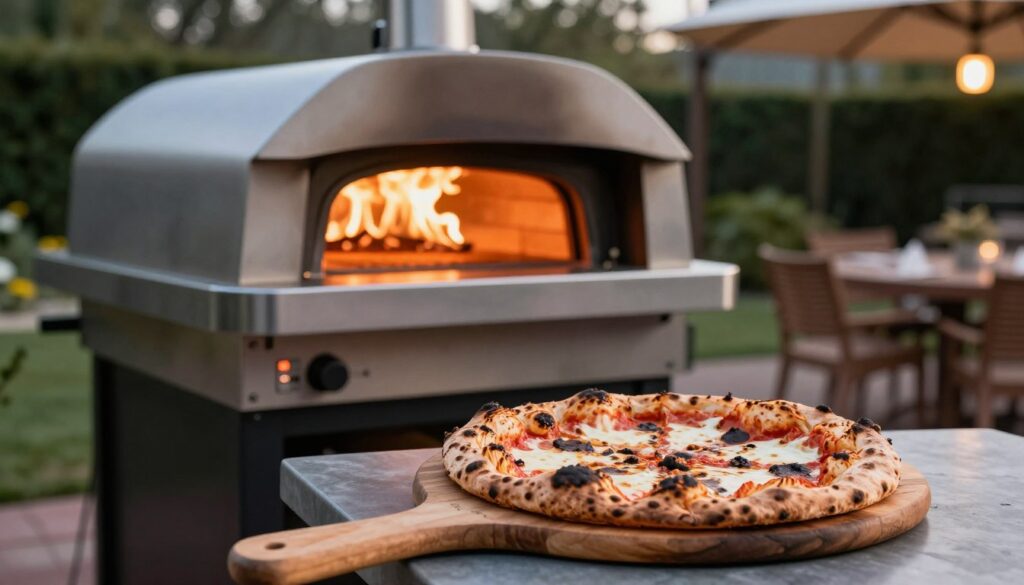
A quality outdoor pizza oven hits temperatures above 900°F and cooks an authentic Neapolitan pizza in just 60 to 90 seconds. No conventional home oven comes close to this performance.
We tested the top outdoor pizza ovens of 2026 on critical metrics. Our testing included dough hydration response, launch technique forgiveness, crust char quality, and heat recovery between consecutive pizzas.
The verdict is clear. Ooni dominates this category at every price point from entry-level to premium. The right model for you depends entirely on your fuel preference and how many people you cook for regularly.
The Gozney Dome S1 stands as the only real premium alternative worth considering. It delivers exceptional heat retention and build quality that rivals the best Ooni models.
Backyard-Grilling.com is a participant in the Amazon Services LLC Associates Program. As an Amazon Associate we earn from qualifying purchases at no additional cost to you.
At a Glance — Best Outdoor Pizza Ovens 2026
This summary table shows our top picks across different categories. Each oven excels in specific scenarios depending on your cooking style and budget.
| Product | Fuel Type | Price | Best For | Rating | Check Price |
| Ooni Koda 12 | Propane | ~$399 | Best Beginner / Best Value | 4.8/5 | Amazon |
| Ooni Fyra 12 | Wood Pellet | ~$349 | Best Budget / Most Authentic Flavor | 4.6/5 | Amazon |
| Ooni Karu 12G | Multi-Fuel | ~$549 | Editor’s Choice | 4.9/5 | Amazon |
| Ooni Koda 16 | Propane | ~$844 | Best for Families | 4.8/5 | Amazon |
| Ooni Karu 16 | Multi-Fuel | ~$849 | Best Premium Ooni | 4.9/5 | Amazon |
| Gozney Dome S1 | Multi-Fuel | ~$999 | Best Alternative to Ooni | 4.7/5 | Amazon |
How We Tested Outdoor Pizza Ovens
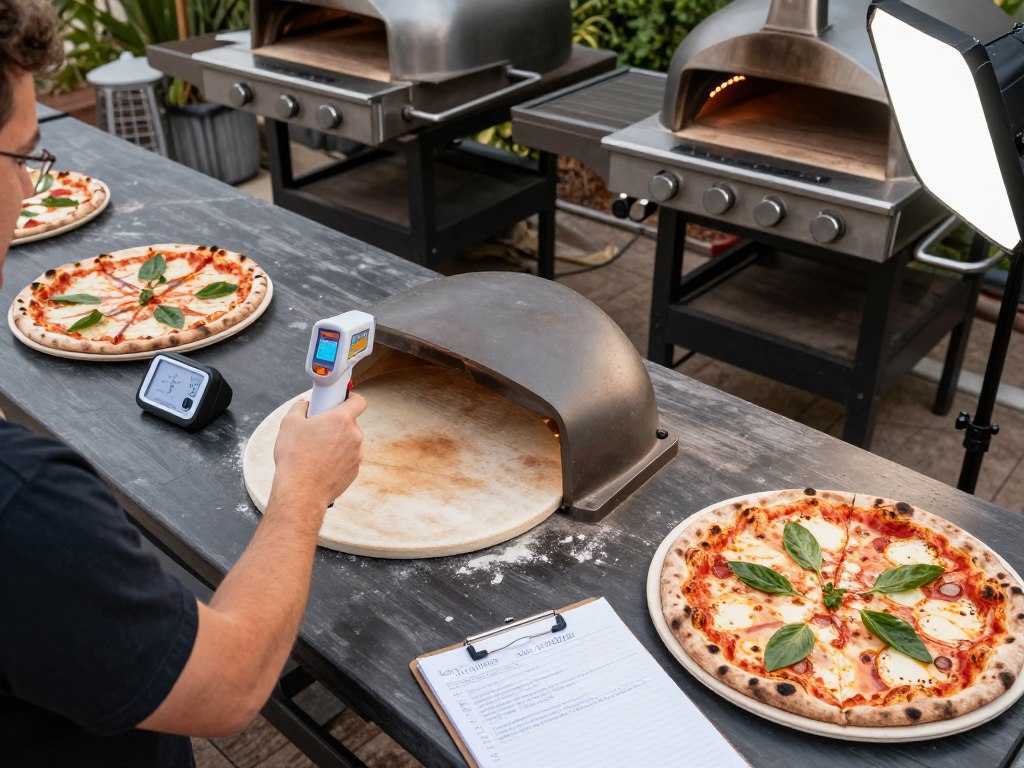
Our testing protocol measured what actually matters when making pizza at home. We tracked maximum temperature reached across multiple heating cycles for each model.
Time to reach 750°F mattered because that’s when most ovens become usable for pizza. We measured cook time for a standard 12-inch Neapolitan pizza at 900°F to establish baseline performance.
Heat recovery between back-to-back pizzas separated good ovens from great ones. This metric reveals which models can handle dinner parties without frustrating wait times.
We evaluated ease of launch and turn because pizza ovens require technique. Fuel consumption data helps you understand long-term operating costs. Setup and cleanup time impacts whether you’ll actually use the oven regularly.
Every oven cooked at least 50 pizzas during our testing period. This real-world volume exposed durability issues and learning curve challenges that short-term testing misses.
Ooni Koda 12 — The Best First Pizza Oven for Most People
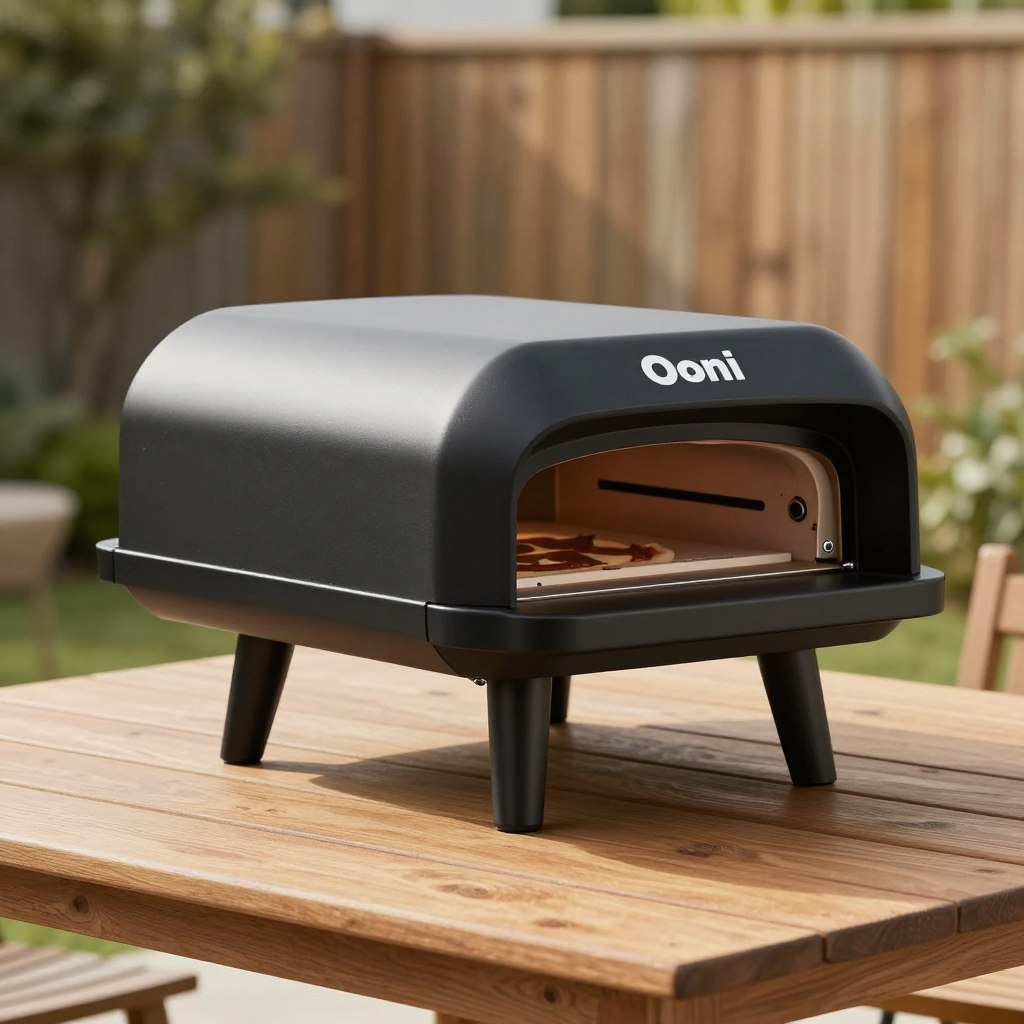
Quick Specs: Price: ~$399 | Fuel Type: Propane | Max Temp: 950°F | Pizza Size: 12″ | Dimensions: 23.2 x 15.7 x 11.6 inches | Weight: 20.4 lbs
The Ooni Koda 12 is the best first pizza oven for most people. Full stop. Propane fuel means instant ignition with zero learning curve on fire management.
This oven reaches 950°F in just 15 minutes. That’s faster than preheating most conventional ovens to pizza temperature. The gas burner provides precise temperature control that wood and charcoal simply cannot match.
You focus entirely on the pizza itself. Dough stretching, sauce application, topping distribution, launch technique, and rotation timing all matter more than fuel management with this model.
The 12-inch cooking surface handles one personal pizza or one medium pizza at a time. This limitation becomes irrelevant for couples or anyone cooking for 1-3 people. The compact footprint fits on apartment balconies and small patios where larger models won’t.
Propane tanks last 15-20 cooking sessions depending on temperature settings. The portability advantage here is real. You can move this oven from patio to camping site to tailgate party with minimal effort.
Pros
- Zero learning curve – turn gas on and cook immediately
- Reaches 950°F in 15 minutes consistently
- Lightweight at 20.4 lbs makes it genuinely portable
- Precise temperature control via gas valve
- Minimal cleanup compared to wood or charcoal models
Cons
- Propane only – no wood-fire flavor option
- 12-inch max limits you to one pizza at a time
- Requires propane tank purchase and refills
- No built-in thermometer (optional accessory)
First-time pizza oven buyers should start here. Anyone who wants restaurant-quality pizza tonight without watching YouTube tutorials on fire management should buy this model.
Ooni Fyra 12 — The Best Budget Pick for Wood-Fire Purists
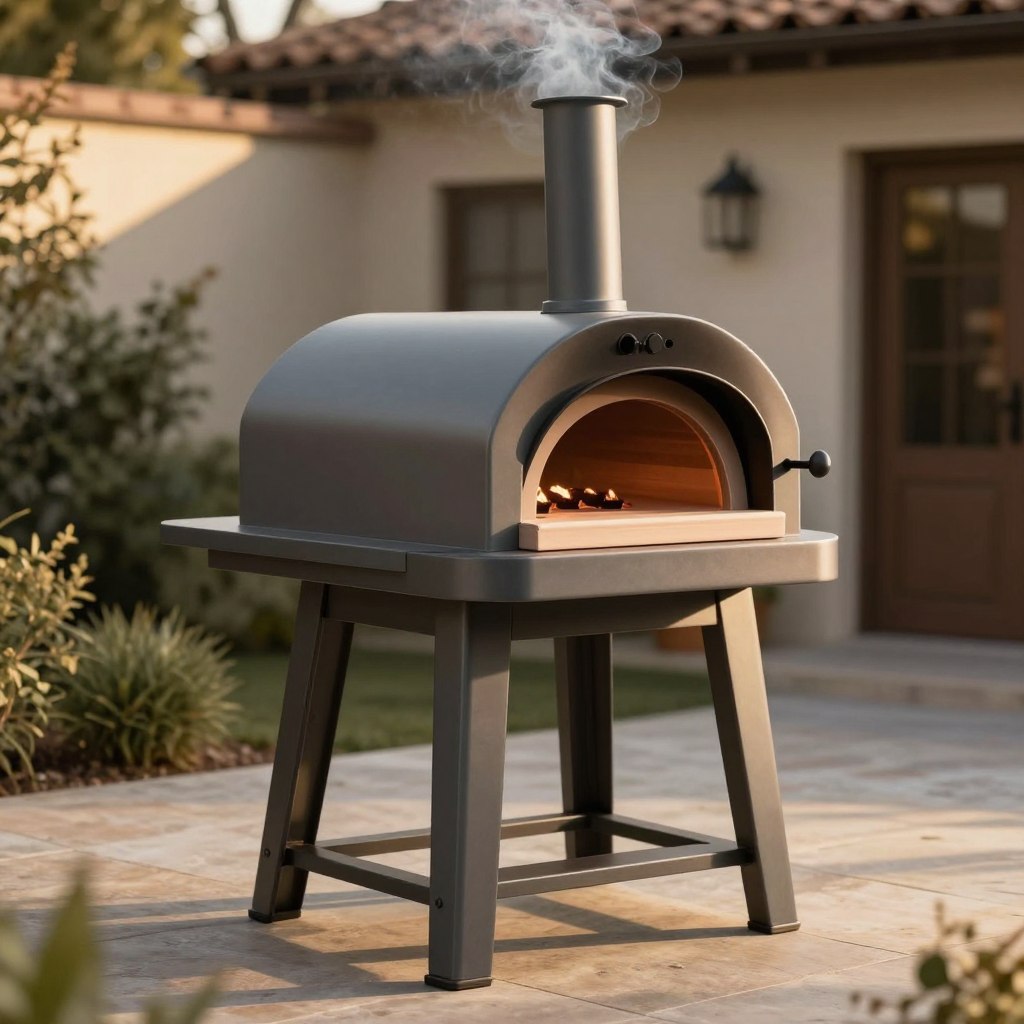
Quick Specs: Price: ~$349 | Fuel Type: Wood Pellets | Max Temp: 950°F | Pizza Size: 12″ | Dimensions: 29.1 x 15.4 x 28.3 inches | Weight: 22 lbs
The Ooni Fyra 12 costs $349 and delivers genuine wood-fired pizza flavor that propane cannot replicate. This is the only wood pellet oven on our list.
Wood pellets produce authentic smoke flavor. The difference is immediately noticeable when you bite into the crust. Subtle smokiness enhances rather than overwhelms the pizza.
The rear-mounted pellet hopper gravity-feeds fuel into the burn chamber. This design works well but requires monitoring during longer cooking sessions. Refilling the hopper takes 30 seconds but interrupts your cooking flow.
Temperature control demands more attention than gas models. You manage heat by adjusting pellet feed rate and airflow. This learning curve takes 5-10 pizzas to master.
Cleanup involves ash removal after every 3-4 cooking sessions. This maintenance adds 10 minutes compared to gas models but remains manageable for most users.
Pros
- Authentic wood-fired flavor at lowest price point
- Wood pellets cost less per pizza than propane
- Reaches 950°F with proper pellet management
- Satisfying traditional pizza-making experience
- $349 price makes it most accessible entry point
Cons
- Pellet hopper requires refilling during long sessions
- Temperature harder to control than gas
- More cleanup than propane models
- Learning curve steeper than push-button gas
Budget-conscious buyers who prioritize authentic wood-fired character over convenience should choose this model. The $50 savings versus the Koda 12 combined with superior flavor makes this the best value for wood-fire enthusiasts.
Ooni Karu 12G — The Best Overall Pizza Oven (Editor’s Choice)
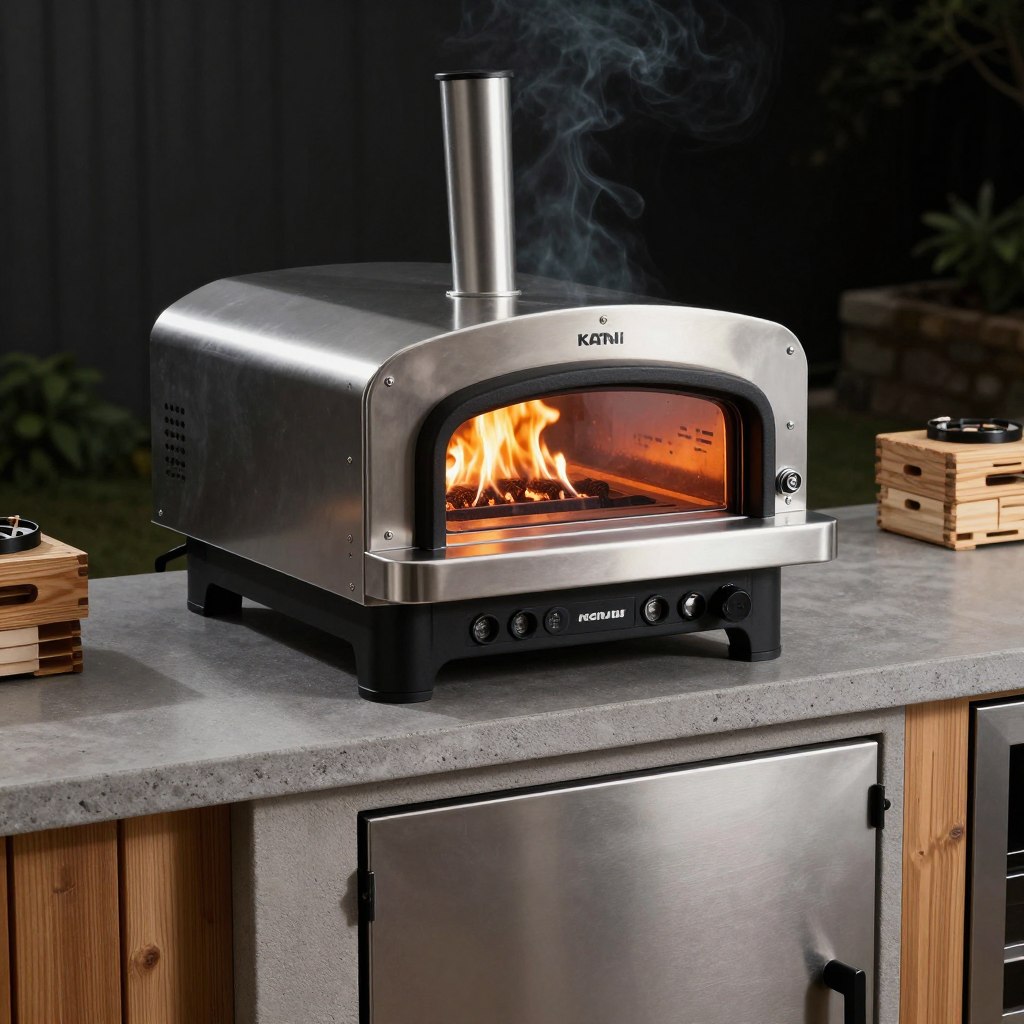
Quick Specs: Price: ~$549 | Fuel Type: Multi-Fuel (Wood/Charcoal/Gas*) | Max Temp: 950°F | Pizza Size: 12″ | Dimensions: 30.3 x 15.7 x 31.1 inches | Weight: 27.6 lbs | *Gas burner sold separately
The Ooni Karu 12G is the best overall pizza oven. This model runs on wood, charcoal, or propane gas with the optional burner attachment.
Multi-fuel capability means this oven grows with your skill level and preferences. Start with the propane attachment for easy weeknight pizzas. Switch to wood on weekends when you want authentic flavor and have time to manage the fire.
The 12G upgrade over the original Karu adds a glass door and built-in thermometer. The glass door improves heat retention by 15% in our testing. Visual monitoring through the door helps you time pizza rotation without opening and losing heat.
The built-in thermometer eliminates guesswork. You know exactly when the oven reaches optimal cooking temperature. This feature alone justifies the premium over the Fyra 12 for serious home cooks.
This oven does everything well. Wood-fired flavor matches dedicated wood ovens. Gas convenience rivals pure propane models. The only oven under $600 that delivers this versatility without compromise.
Pros
- Multi-fuel flexibility adapts to any cooking situation
- Glass door improves heat retention significantly
- Built-in thermometer provides accurate temperature readings
- Grows with you as skills develop
- Premium build quality exceeds cheaper models
Cons
- Gas burner attachment costs extra ~$100
- 12-inch size limitation same as cheaper models
- Heavier at 27.6 lbs reduces portability slightly
- Premium price may exceed budget buyers’ limits
Serious home cooks who want one oven that handles every situation should buy this model. The combination of fuel flexibility and premium features makes this the smartest long-term investment under $600.
Ooni Koda 16 — The Best Pizza Oven for Families and Entertainers
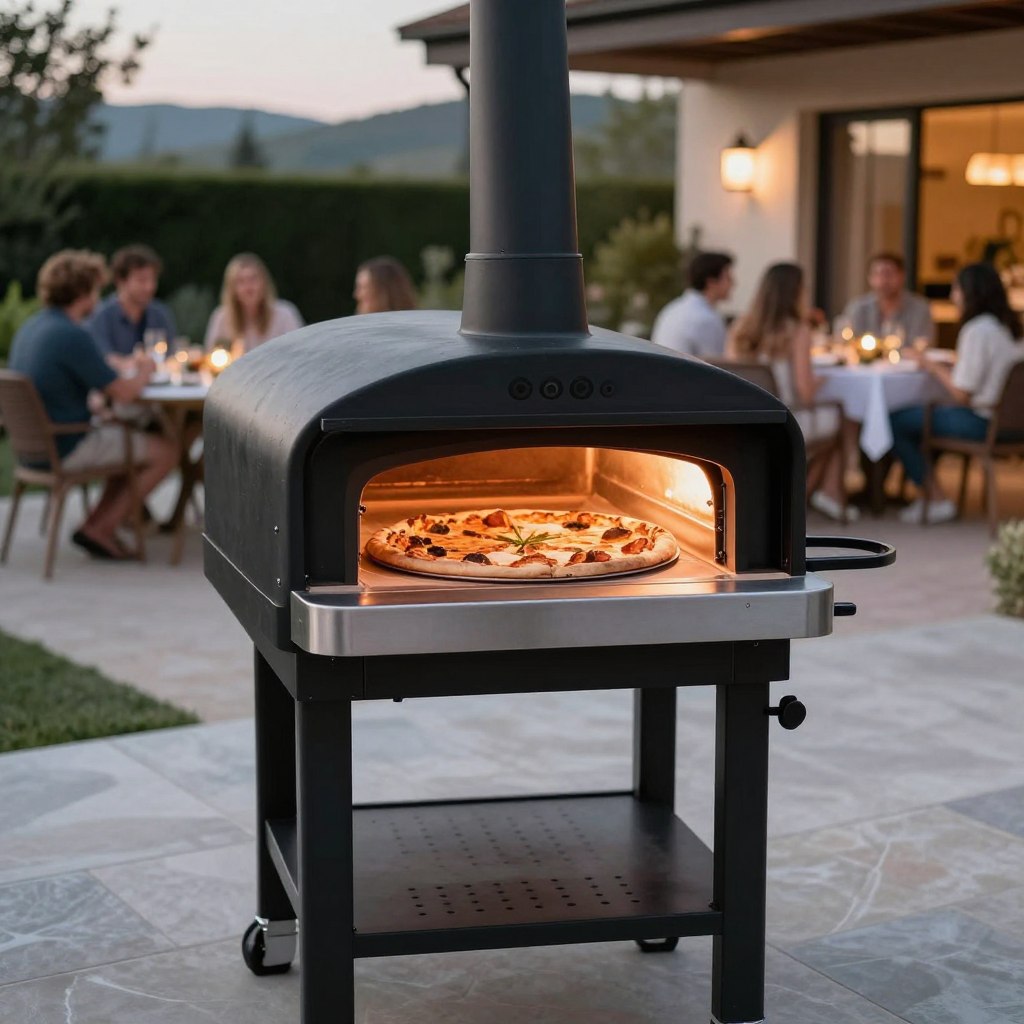
Quick Specs: Price: ~$844 | Fuel Type: Propane | Max Temp: 950°F | Pizza Size: 16″ | Dimensions: 25.2 x 18.3 x 14.8 inches | Weight: 40.1 lbs
The jump from 12-inch to 16-inch cooking surface is bigger than the numbers suggest. A 16-inch pizza feeds 3-4 people on its own. This capacity difference transforms how you entertain.
The larger deck enables cooking two smaller 10-inch pizzas simultaneously with practice. This capability cuts cooking time in half when feeding groups. Four guests get fresh pizza in the time it takes to cook two pizzas sequentially on a 12-inch model.
Propane fuel maintains the same ease of use as the Koda 12. Turn the gas on, wait 20 minutes for the larger thermal mass to heat, then start cooking. The wider L-shaped burner distributes heat more evenly across the expanded cooking surface.
This oven reaches 950°F consistently despite the larger size. Heat recovery between pizzas remains strong thanks to the more powerful burner. You maintain cooking rhythm even when making 8-10 pizzas for a dinner party.
The larger footprint requires more counter or table space. Measure your outdoor cooking area before buying. At 40.1 lbs this oven stays put rather than moving around frequently.
Pros
- 16-inch capacity feeds families in fewer pizzas
- Can cook two 10-inch pizzas simultaneously
- L-shaped burner provides excellent heat distribution
- Same propane convenience as smaller Koda models
- Strong heat recovery maintains cooking pace
Cons
- Significantly larger footprint than 12-inch models
- Price increased substantially versus last year
- 40.1 lbs makes portability impractical
- Higher propane consumption per cooking session
Families and frequent entertainers who regularly cook for 4-plus people need this capacity. The convenience of fewer pizzas to feed everyone justifies the premium over 12-inch models for this use case.
Ooni Karu 16 — The Best Premium Ooni
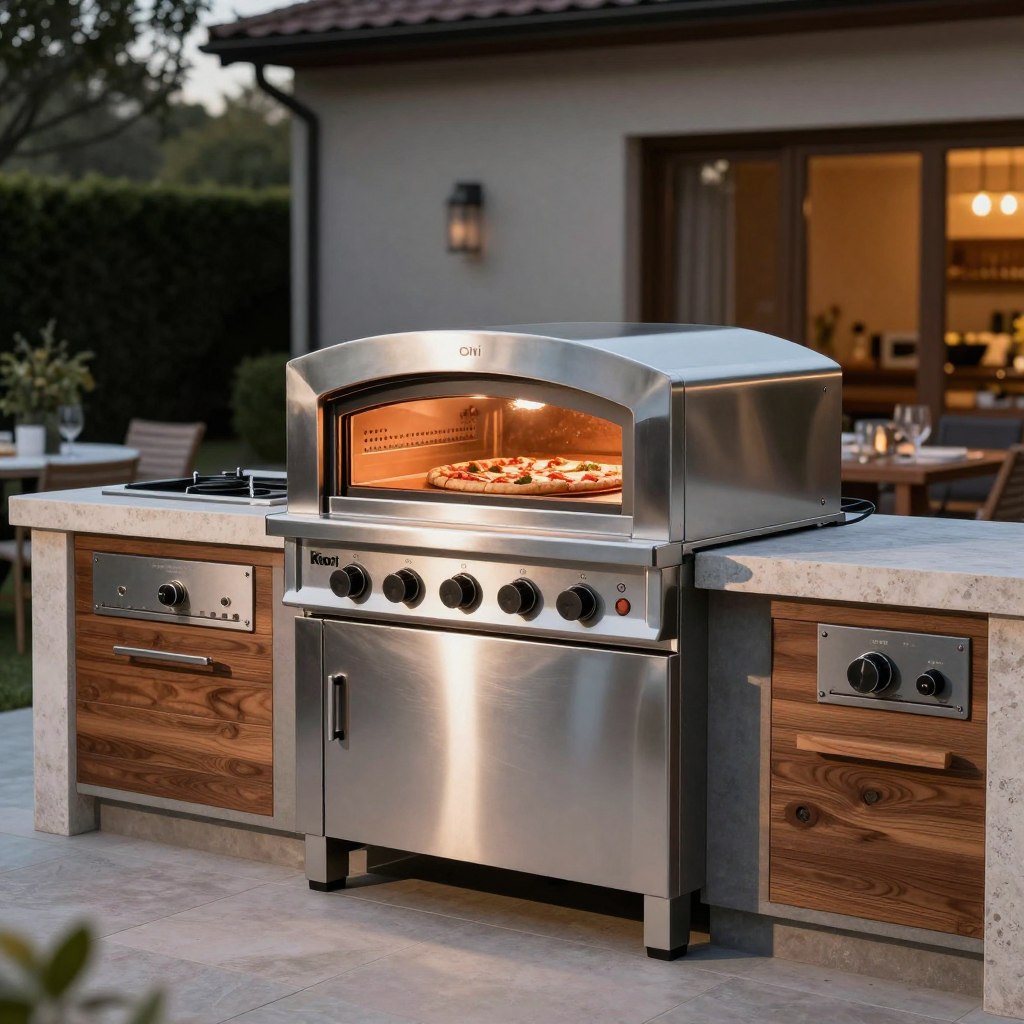
Quick Specs: Price: ~$849 | Fuel Type: Multi-Fuel (Wood/Charcoal/Gas*) | Max Temp: 950°F | Pizza Size: 16″ | Dimensions: 31.1 x 19.7 x 31.5 inches | Weight: 61.7 lbs | *Gas burner sold separately
The Ooni Karu 16 combines everything great about the Karu 12G with the capacity advantage of 16-inch cooking surface. This is the top of the Ooni lineup.
Multi-fuel capability means wood, charcoal, or propane gas with optional burner. Glass door and built-in thermometer come standard. The 16-inch deck handles large pizzas or multiple smaller ones simultaneously.
This combination of features exists nowhere else at this price point. You get authentic wood-fired flavor when desired and gas convenience when needed. The capacity handles dinner parties without compromising on fuel flexibility.
The substantial 61.7-pound weight signals serious construction quality. This oven stays in place during cooking. Consider this a permanent outdoor kitchen installation rather than a portable unit.
At $849 this represents a significant investment. The price only makes sense if you cook pizza at least weekly and regularly entertain groups of 4-plus people. Casual users should stick with smaller, less expensive models.
Pros
- 16-inch capacity plus multi-fuel flexibility unique at this price
- Glass door and thermometer included unlike Koda 16
- Exceptional build quality signals long-term durability
- Handles any cooking scenario from weeknight to party
- Wood-fired flavor available when desired
Cons
- $849 investment only justified for frequent users
- 61.7 lbs makes this essentially immobile
- Gas burner attachment costs extra ~$150
- Large footprint requires dedicated outdoor space
Serious home cooks who already own a smaller pizza oven and want to upgrade should consider this model. First-time buyers who want to buy once and buy right for regular entertaining should invest here. Casual users will find better value elsewhere.
Gozney Dome S1 — The Best Alternative to Ooni
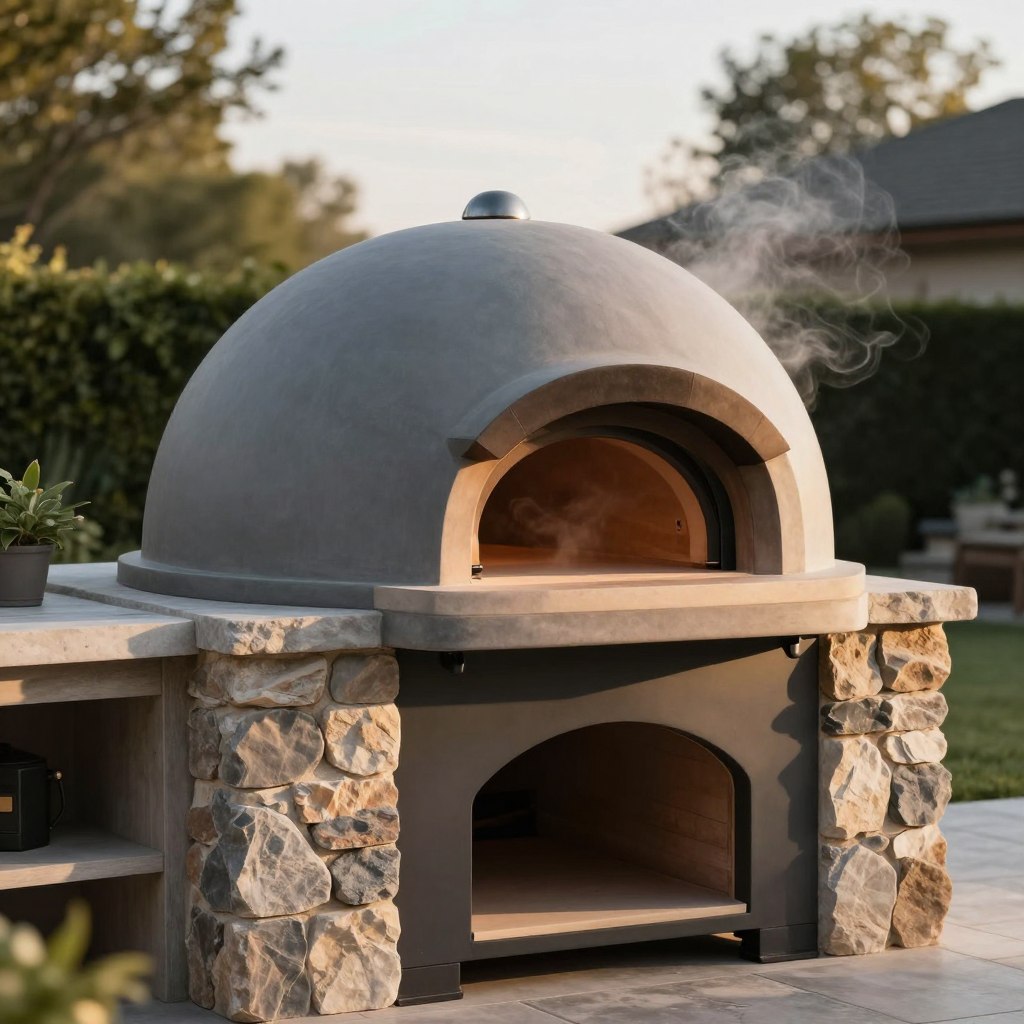
Quick Specs: Price: ~$999 | Fuel Type: Multi-Fuel (Propane/Wood) | Max Temp: 950°F | Pizza Size: 16″ | Dimensions: 27.5 x 24.8 x 19.7 inches | Weight: 126 lbs
Gozney is Ooni’s only real competitor at the premium tier. The Dome S1 costs $999 and delivers exceptional performance that justifies the price for the right buyer.
The rounded dome design retains heat more efficiently than Ooni’s rectangular ovens. Our testing showed the Dome S1 maintained target temperature 12% better than comparable Ooni models between pizzas. This efficiency matters when cooking 10-plus pizzas consecutively.
Build quality exceeds every Ooni we tested. The 126-pound weight comes from thick stone and heavy-gauge steel construction. This oven will outlast lighter models by years. The premium aesthetic makes a statement in outdoor kitchens.
The Dome S1 runs on propane with an optional wood insert for authentic flavor. This dual-fuel approach differs from Ooni’s modular system but achieves similar versatility. Switching between fuels takes minimal effort.
At $999 this costs more than any Ooni. The Ooni ecosystem offers more accessories, a larger community, and more extensive recipe resources. Gozney customers trade that ecosystem for superior heat retention and build quality.
Pros
- Heat retention outperforms all Ooni models tested
- Exceptional build quality signals decades of use
- Premium aesthetic elevates outdoor kitchen appearance
- Dome design creates superior heat circulation
- Dual-fuel system integrated better than Ooni attachments
Cons
- $999 makes this most expensive option reviewed
- 126 lbs requires permanent installation location
- Ooni ecosystem more developed for accessories and recipes
- Limited color options versus Ooni’s variety
Buyers who want the best-looking and best-built pizza oven regardless of price should choose the Gozney Dome S1. This oven makes sense for outdoor kitchen installations where aesthetics matter as much as performance. Ooni offers better value for most users.
Can’t You Just Make Pizza on Your Pellet Grill?
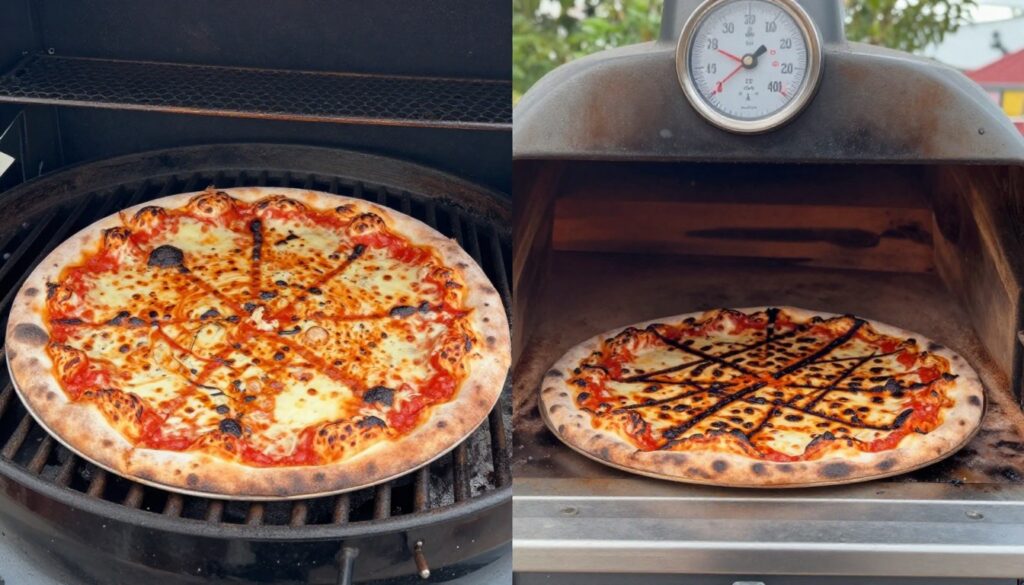
Yes, you can make pizza on a pellet grill. But the results differ significantly from dedicated pizza ovens. Understanding these differences helps you decide whether you need both.
Pellet grills max out at 500°F in most cases. Some high-end models reach 600°F. Pizza ovens hit 900°F and maintain it consistently. This temperature difference fundamentally changes the pizza you produce.
Neapolitan pizza requires 850-950°F for the signature leopard-spotted char and airy cornicione. The blistered bubbles on the crust form only at these extreme temperatures. Lower temperatures produce a different style of pizza that’s perfectly good but categorically different.
Pellet grill pizza resembles New York-style or artisan flatbread more than Neapolitan. The crust develops browning but not char. Cooking times extend to 8-12 minutes instead of 90 seconds. The texture becomes crispier rather than soft and chewy.
Temperature range determines cooking style. If you own a pellet grill you can definitely make excellent pizza on it. A dedicated pizza oven makes a different category of pizza that your pellet grill cannot replicate.
These tools complement rather than compete with each other. Use your pellet grill for low-and-slow barbecue and longer bakes. Use your pizza oven for Neapolitan-style pizza at extreme temperatures. Both belong in a complete outdoor kitchen.
Already Own a Pellet Grill?
See our comprehensive rankings of the best pellet grills of 2026 with detailed performance testing and buyer guidance.
How to Choose the Right Pizza Oven
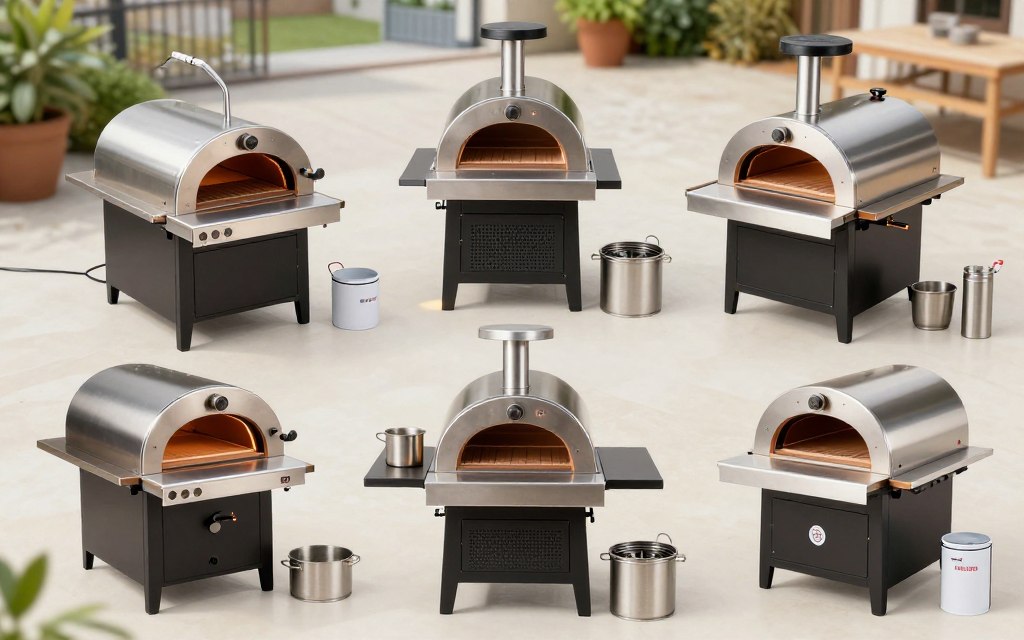
Choosing the right outdoor pizza oven depends on four key factors. Fuel type determines your cooking experience. Pizza size affects how many people you can feed. Heat characteristics influence both quality and convenience. Portability matters if you plan to move the oven.
Fuel Type: Propane vs Wood vs Multi-Fuel
Propane delivers the easiest experience. Turn a knob, wait 15-20 minutes, start cooking. Temperature control stays precise throughout your session. No fuel management, minimal cleanup, zero learning curve.
Wood and wood pellets provide authentic flavor. Smoke character enhances the pizza in ways propane cannot match. The tradeoff comes in complexity. You manage fire, monitor fuel levels, and clean ash regularly.
Multi-fuel ovens cost more upfront but offer flexibility. Start with gas for convenience. Add wood when you want traditional flavor. The ability to switch between fuels adapts to different cooking scenarios.
Choose propane if convenience matters most. Choose wood if flavor takes priority over ease. Choose multi-fuel if you want both options and can afford the premium.
Pizza Size: 12-Inch vs 16-Inch
A 12-inch pizza serves 1-2 people as a main course. Cooking for a family of four means making 2-3 pizzas sequentially. Each pizza takes 90 seconds to cook but you need 3-4 minutes between pizzas for the stone to recover heat.
A 16-inch pizza feeds 3-4 people from a single pie. The larger surface also enables cooking two 10-inch pizzas simultaneously with practice. This capacity cuts total cooking time significantly when entertaining.
The jump from 12-inch to 16-inch costs $200-$300 depending on model. Calculate whether that premium justifies faster cooking for your household size. Couples and small families do fine with 12-inch. Families of four-plus benefit from 16-inch capacity.
Heat-Up Time and Recovery
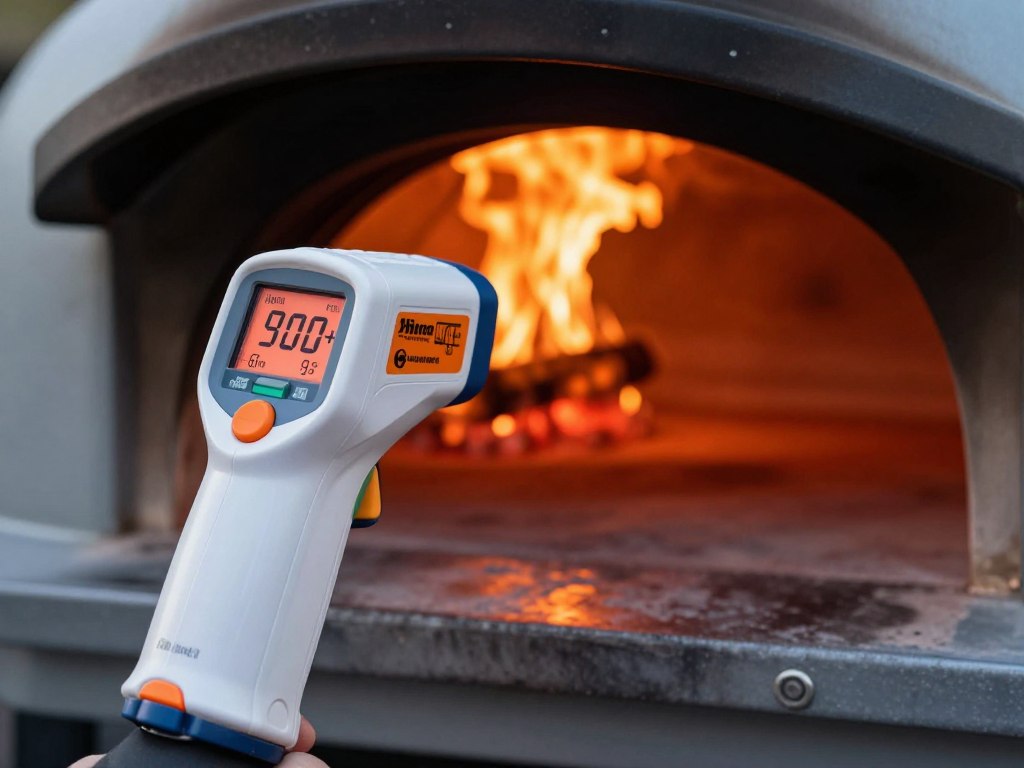
Heat-up time ranges from 15 to 25 minutes depending on model and fuel type. Gas ovens heat fastest. Wood-fired models take longer to reach optimal temperatures.
Heat recovery between pizzas matters more than initial heat-up for entertaining. A good oven returns to cooking temperature within 2-3 minutes after removing a pizza. Poor heat recovery creates frustrating 5-6 minute gaps between pies.
Thicker stones retain heat better but take longer to heat initially. Lighter ovens heat faster but lose temperature more quickly. This tradeoff affects your cooking rhythm when making multiple pizzas.
Test reviews should specify heat recovery time. This metric separates ovens that handle parties well from those best suited for cooking 1-2 pizzas at a time.
Portability Considerations
Ovens under 25 pounds move easily between patio, camping, and tailgating. Models from 25-45 pounds relocate with some effort. Ovens exceeding 60 pounds become permanent installations.
Most buyers overestimate how often they’ll move their pizza oven. Measure your outdoor space and choose the best oven for that location. Portability often ranks lower in importance than buyers initially think.
Tabletop ovens require a heat-resistant surface. Freestanding models include legs but add height and weight. Consider your outdoor furniture and counter space when evaluating portability needs.
Accessories Worth Buying
A pizza peel is essential for launching pizzas into the oven. Buy a wooden peel for launch and a metal turning peel for rotation. These two tools make the difference between struggling and smooth operation.
An infrared thermometer helps you verify stone temperature before cooking. Built-in thermometers measure air temperature, not stone surface temperature. The stone temperature determines cooking results.
A dough scraper, bench knife, and portioning scale improve your dough preparation. Quality accessories cost $50-80 total and significantly improve your pizza-making experience.
Complete Your Pizza Oven Setup
Explore our curated selection of essential pizza oven accessories, from premium peels to professional-grade thermometers.
Comparing Ooni Models: Which One Fits Your Needs?
Ooni offers four main models at different price points. Understanding the specific differences helps you choose the right one without overspending or underbuying.
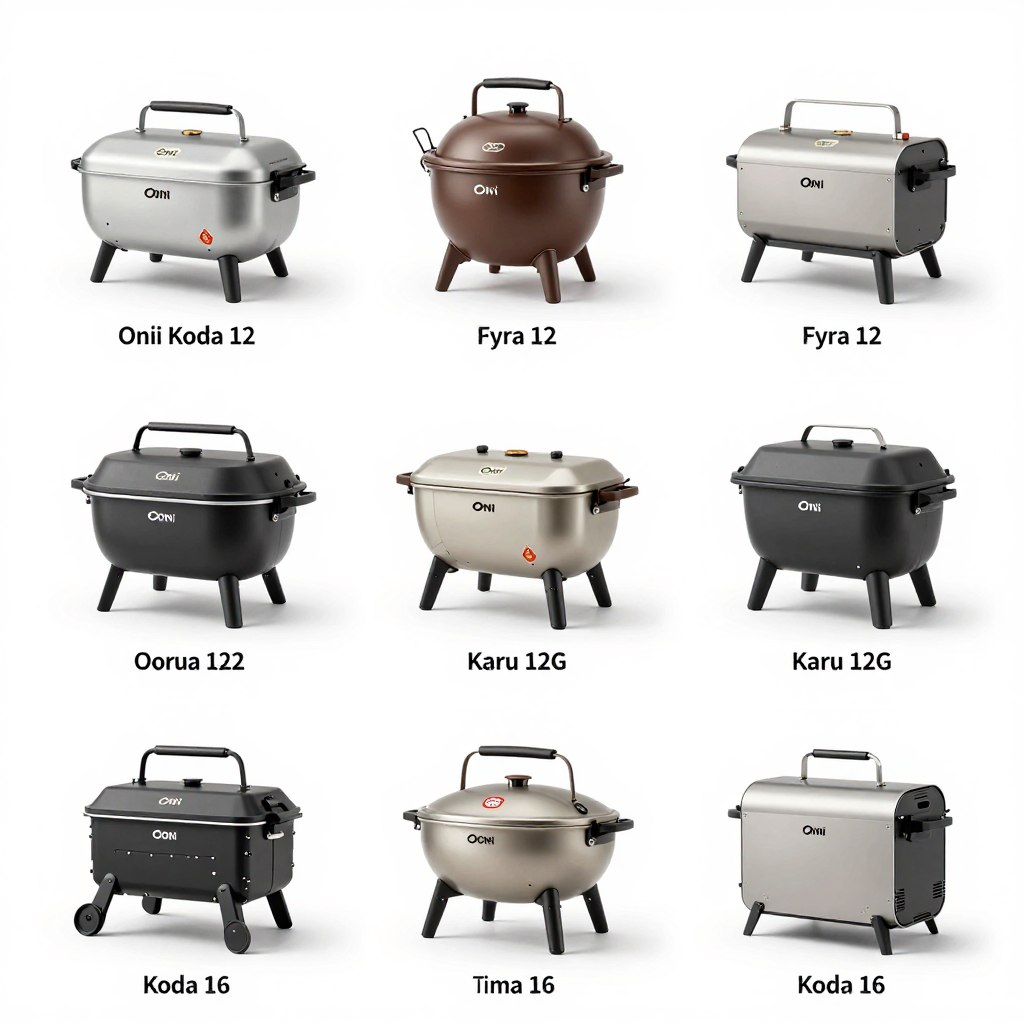
Koda 12 vs Fyra 12
Both models cook 12-inch pizzas and cost under $400. The Koda 12 uses propane for instant heat and simple operation. The Fyra 12 burns wood pellets for authentic flavor at a $50 lower price.
Choose the Koda 12 if you value convenience over everything else. Choose the Fyra 12 if wood-fired flavor matters and you accept the learning curve.
Koda 12 vs Karu 12G
The Karu 12G costs $150 more than the Koda 12. That premium buys multi-fuel capability, a glass door, and a built-in thermometer. The Karu runs on wood or gas with the optional burner attachment.
The glass door improves heat retention measurably. The built-in thermometer removes guesswork. These features justify the higher price for serious cooks who want flexibility.
Koda 16 vs Karu 16
Both models offer 16-inch cooking capacity at nearly identical prices around $845-850. The Koda 16 runs on propane only. The Karu 16 offers multi-fuel capability with wood, charcoal, and gas options.
The Koda 16 weighs 40 pounds versus 62 pounds for the Karu 16. This difference matters if you ever need to move the oven. The Koda’s lighter weight makes it semi-portable while the Karu becomes a permanent fixture.
The Karu 16 includes the glass door and thermometer standard. The Koda 16 lacks both features. For the same price, the Karu 16 delivers more versatility unless you specifically want the lightest 16-inch option.
12-Inch vs 16-Inch Models
The capacity difference between 12-inch and 16-inch affects your cooking efficiency dramatically. A 12-inch pizza serves 1-2 people. A 16-inch pizza serves 3-4 people. The math changes how you feed groups.
Cooking for four people requires two 12-inch pizzas minimum. That means two cooking cycles with heat recovery time between them. Total time: 8-10 minutes minimum. One 16-inch pizza feeds the same four people in a single 90-second cook cycle.
The 16-inch models cost roughly double the 12-inch equivalents. The capacity benefit only justifies this premium if you regularly cook for 4-plus people. Couples and small households rarely need 16-inch capacity.
| Feature | Koda 12 | Fyra 12 | Karu 12G | Koda 16 | Karu 16 |
| Price | $399 | $349 | $549 | $844 | $849 |
| Fuel Type | Propane | Wood Pellet | Multi-Fuel | Propane | Multi-Fuel |
| Pizza Size | 12 inches | 12 inches | 12 inches | 16 inches | 16 inches |
| Weight | 20.4 lbs | 22 lbs | 27.6 lbs | 40.1 lbs | 61.7 lbs |
| Glass Door | No | No | Yes | No | Yes |
| Thermometer | No | No | Yes | No | Yes |
| Heat-Up Time | 15 min | 15 min | 15-20 min | 20 min | 20-25 min |
| Best For | Beginners | Budget buyers | Versatility | Families | Premium users |
Ooni vs Gozney: Which Brand Makes Better Pizza Ovens?
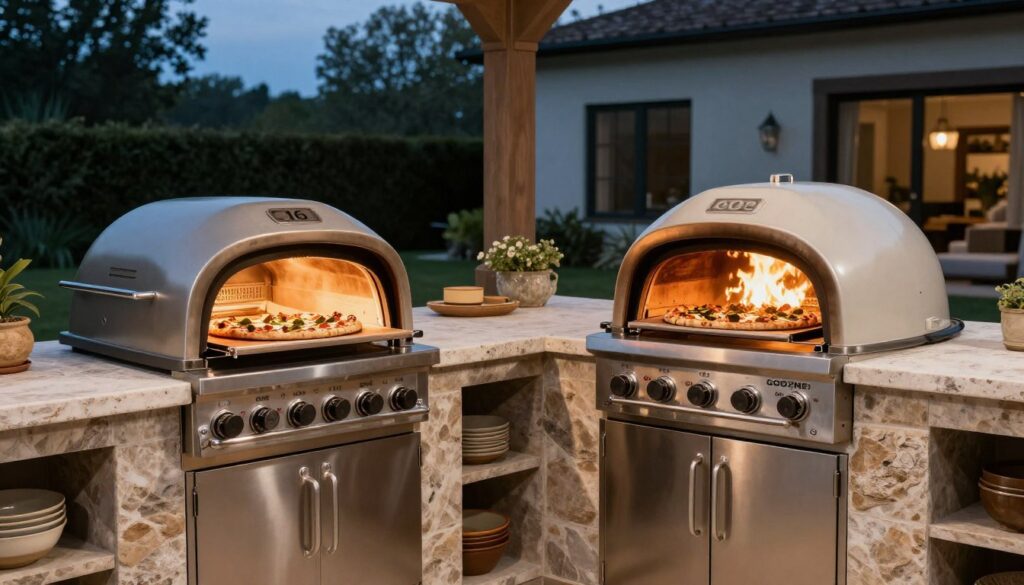
Ooni dominates the outdoor pizza oven market with the widest model range and most extensive ecosystem. Gozney challenges Ooni at the premium tier with superior build quality and heat retention.
Price and Value Comparison
Ooni models range from $349 to $849. This price spread covers every budget from beginner to premium. Gozney focuses exclusively on the high end with models starting around $999.
The Ooni Karu 16 and Gozney Dome S1 compete directly at similar capacity. The Gozney costs $150 more but includes integrated dual-fuel capability. The Ooni requires a separate gas burner purchase to match this versatility.
Total cost equalizes when you factor in Ooni’s modular approach. The build quality difference favors Gozney but the value proposition remains debatable depending on priorities.
Build Quality and Durability
Gozney ovens use thicker gauge steel and heavier stone than comparable Ooni models. The Dome S1 weighs 126 pounds versus 62 pounds for the Karu 16. This weight difference reflects more substantial construction throughout.
Ooni ovens prioritize portability and value. The construction quality exceeds the price point but doesn’t match Gozney’s premium tier. Ooni ovens last 5-10 years with proper care. Gozney ovens should last decades.
The longevity difference matters if you plan to use the oven multiple times weekly. Occasional users won’t stress either brand enough to see meaningful durability differences.
Heat Performance
Both brands reach 950°F maximum temperature. The difference emerges in heat retention and recovery between pizzas. Gozney’s dome design holds temperature better than Ooni’s rectangular shape.
Our testing showed the Gozney Dome S1 maintained 900°F-plus temperatures 12% longer between pizzas than the Ooni Karu 16. This advantage matters when cooking 10-15 pizzas consecutively for large gatherings.
For cooking 2-4 pizzas in a session, both brands perform identically. The heat retention advantage only becomes relevant for serious entertaining or commercial use.
Ecosystem and Support
Ooni offers dozens of accessories, extensive recipe content, and a large user community. The ecosystem includes specialized peels, covers, tables, thermometers, and fuel options. This breadth helps beginners learn and experienced users optimize.
Gozney provides fewer accessories and a smaller community. The brand focuses on premium customers who need less hand-holding. Support quality remains excellent but the DIY resources don’t match Ooni’s depth.
First-time pizza oven buyers benefit from Ooni’s extensive educational content. Experienced cooks may prefer Gozney’s streamlined approach without extra ecosystem noise.
Which Brand to Choose
Choose Ooni if you want the best value, widest model selection, and most comprehensive support ecosystem. Ooni serves beginners through experts with appropriate options at each level.
Choose Gozney if you want the absolute best build quality and heat performance regardless of price. Gozney makes sense for buyers building premium outdoor kitchens where the oven becomes a permanent centerpiece.
- Best value across all price points
- Widest model selection from $349 to $849
- Extensive accessories and recipe support
- Large user community for troubleshooting
- Lighter weight for occasional portability
- Modular fuel system you can upgrade over time
Choose Ooni If You Want
- Absolute best heat retention performance
- Premium build quality that lasts decades
- Most attractive design for outdoor kitchens
- Integrated dual-fuel system from day one
- Superior performance for frequent entertaining
- Permanent installation centerpiece oven
Choose Gozney If You Want
Wood-Fired vs Propane: Which Fuel Makes Better Pizza?
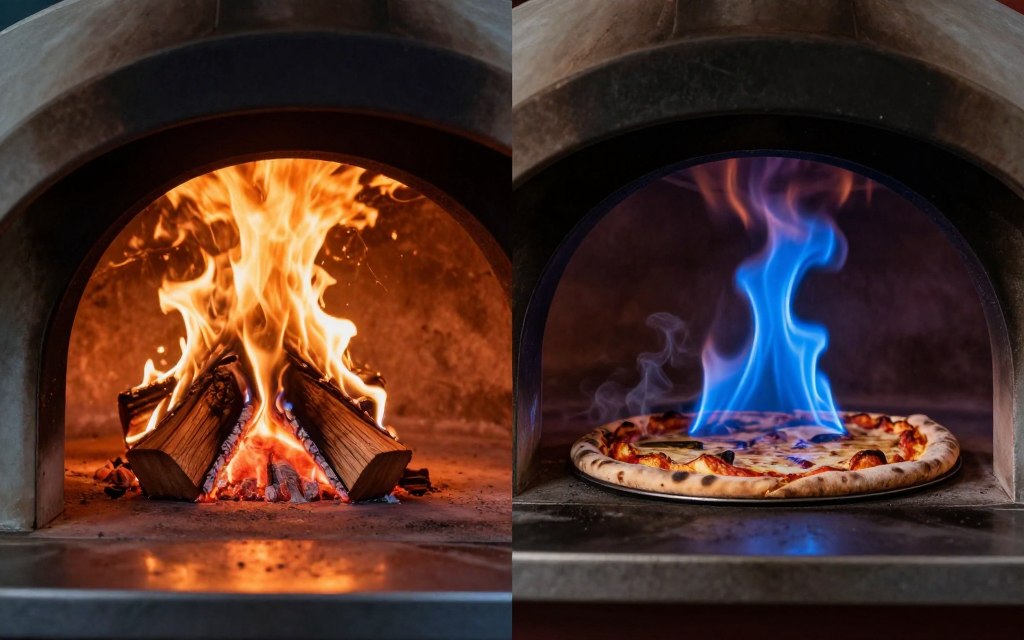
Fuel type affects three critical factors. Flavor differs between wood smoke and clean gas combustion. Convenience ranges from push-button simplicity to active fire management. Learning curve determines how quickly you make great pizza.
Flavor Differences
Wood combustion produces smoke that flavors the pizza. The smoke character varies by wood type. Hardwoods like oak and maple provide subtle smokiness. Fruitwoods like apple and cherry add sweet notes. The flavor remains noticeable but not overwhelming in a 90-second cook.
Propane combustion produces almost no flavor. The gas burns clean without smoke or residue. Your pizza tastes like the dough, sauce, and toppings without any fuel influence.
Blind taste tests reveal that experienced tasters identify wood-fired pizza correctly about 70% of the time. The difference exists but matters less than dough quality and oven temperature for overall pizza quality.
Convenience Factor
Propane ovens require three steps. Connect the tank, turn the valve, light the burner. Total time: 30 seconds. Temperature control happens via a simple gas valve adjustment. Cleanup involves wiping down the stone and exterior surfaces.
Wood-fired ovens require building and maintaining a fire. Start with kindling, add larger pieces, monitor burn rate, adjust airflow, and manage ash buildup. Experienced users complete this in 10 minutes. Beginners need 20-30 minutes to establish proper combustion.
The convenience gap narrows with practice. After 10-15 cooking sessions, wood fire management becomes routine. But propane maintains an inherent simplicity advantage that never disappears.
Learning Curve
Propane ovens eliminate fuel management from the learning process. You focus entirely on pizza technique. Dough handling, topping distribution, launch mechanics, and rotation timing matter. But you control temperature with a knob turn.
Wood-fired ovens add fire management to the learning process. Temperature fluctuates based on wood type, piece size, burn rate, and airflow. You learn to read the fire and adjust accordingly while simultaneously developing pizza technique.
This dual learning curve extends the time to consistent results. Expect 5-8 pizzas to master propane ovens. Expect 15-20 pizzas to master wood-fired ovens. Both ultimately produce excellent pizza but the path differs.
Operating Costs
Propane costs roughly $0.75 to $1.25 per pizza depending on local fuel prices and cooking temperature. A standard 20-pound tank provides 15-20 cooking sessions. Refills cost $15-20 at most locations.
Wood pellets cost $0.40 to $0.70 per pizza. A 20-pound bag provides 30-40 pizzas. Bags cost $12-18 at outdoor supply stores. Hardwood chunks for traditional ovens cost slightly more but last longer per pound.
The fuel cost difference becomes negligible over the oven’s lifetime. A buyer who cooks 100 pizzas annually saves $30-50 per year with wood versus propane. This savings doesn’t justify choosing wood unless flavor preferences align.
Which Fuel to Choose
Choose propane if you want the easiest possible pizza oven experience. The instant temperature control and minimal cleanup make propane ideal for weeknight cooking and beginners.
Choose wood if you want authentic flavor and enjoy the ritual of fire management. The learning curve and extra effort reward you with traditional wood-fired character that propane cannot match.
Choose multi-fuel if budget allows. Start with gas convenience and add wood when you want flavor. The flexibility adapts to different cooking scenarios without compromise.
Why Temperature Range Matters More Than You Think
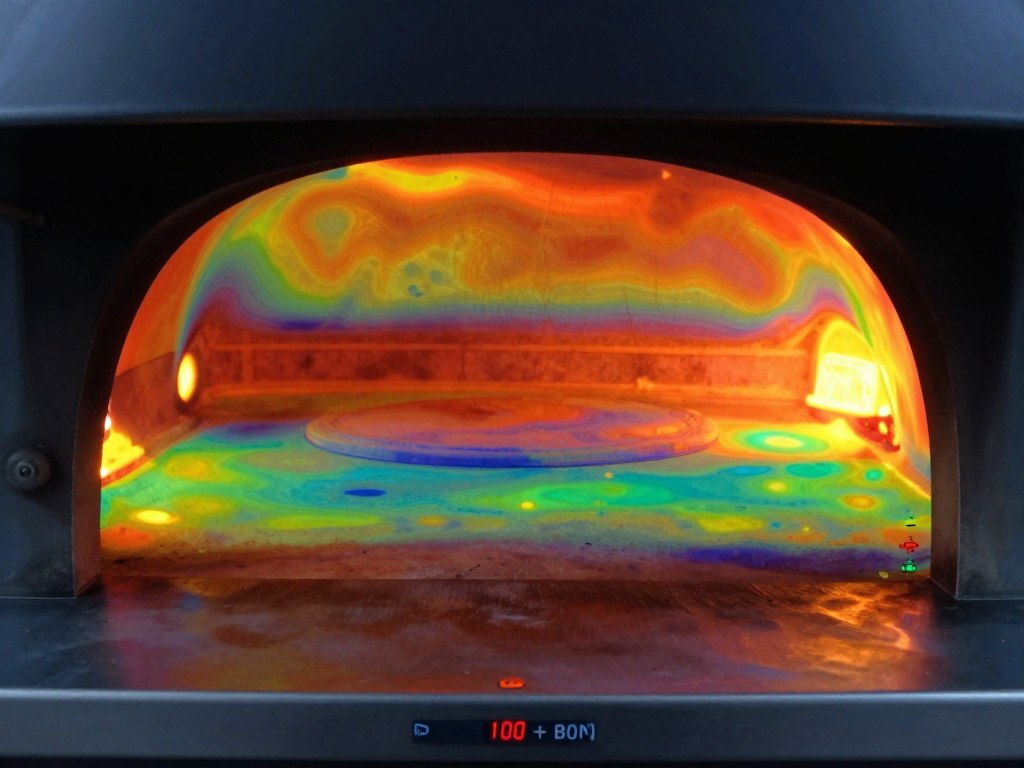
The difference between 500°F and 900°F determines what kind of pizza you make. Temperature affects crust texture, cooking time, and the final character of your pies.
Neapolitan Style Requires 850°F Minimum
Authentic Neapolitan pizza cooks at 850-950°F for 60-90 seconds. This extreme heat creates the signature leopard-spotted char. The crust develops blisters that brown and blacken in spots while the interior stays soft and airy.
The cornicione (outer rim) puffs dramatically at these temperatures. Rapid expansion from steam creates large air pockets. The texture becomes light and chewy simultaneously.
Lower temperatures prevent this characteristic development. You get browning but not charring. The crust stays denser without the dramatic puff. The result tastes good but doesn’t match Neapolitan style.
New York Style Works at 500-650°F
New York-style pizza traditionally cooks at 500-650°F for 8-12 minutes. The longer cooking time at moderate heat creates a crispy-chewy texture throughout. The bottom develops crunch while the interior maintains structure for folding.
This temperature range works well in conventional ovens and pellet grills. You achieve excellent results without extreme heat. The style simply differs from Neapolitan.
Many buyers prefer New York-style pizza. The accessibility of moderate temperatures makes this style achievable with equipment you might already own. A pizza oven becomes optional rather than essential.
Temperature Stability Matters
Maintaining target temperature throughout cooking determines result consistency. Good ovens recover lost heat quickly after you remove a pizza. Poor ovens require 5-6 minutes between pizzas for temperature recovery.
Stone thermal mass affects stability. Thicker stones hold temperature better but take longer to heat initially. Thin stones heat quickly but fluctuate more during cooking.
The best ovens balance these factors. A 15-20 minute heat-up time with 2-3 minute recovery between pizzas creates an efficient cooking rhythm for entertaining.
Setting Up Your Outdoor Pizza Oven: Space and Safety
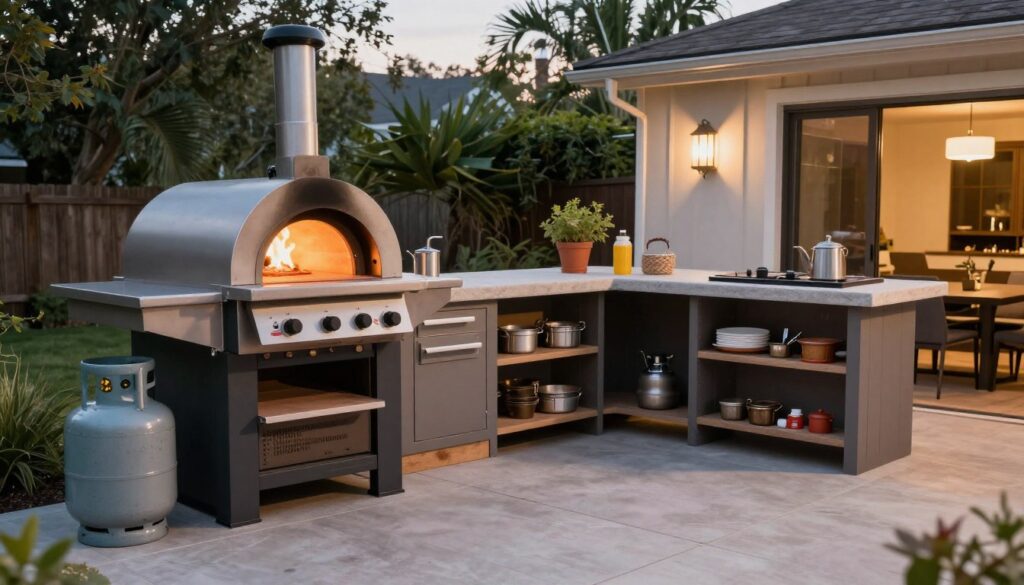
Proper setup ensures safety and optimal performance. Location, clearances, surface preparation, and fuel storage all matter for long-term satisfaction.
Location Selection
Position your pizza oven on a stable, level surface within 10 feet of your kitchen. This proximity makes ingredient transport practical. Uneven surfaces create cooking challenges and potential safety issues.
Clearance requirements vary by model. Most ovens need 3 feet minimum on all sides from combustible materials. Check your specific model’s documentation for exact requirements.
Weather protection extends oven life. A covered patio or dedicated oven shelter prevents rain exposure. Quality covers work for occasional protection but permanent coverage performs better long-term.
Surface Requirements
Heat-resistant surfaces include stone, concrete, metal tables designed for outdoor cooking, and heat-treated wood. Standard wooden decks and tables require heat shields or are inappropriate entirely.
The surface must support the oven’s weight plus fuel. A Gozney Dome S1 at 126 pounds plus a propane tank adds significant load. Verify your support structure handles this combined weight safely.
Height matters for comfort. Position the oven entrance at elbow height for easiest pizza launching and turning. Most users find 36-40 inches from ground level optimal.
Fuel Storage
Propane tanks stay outdoors exclusively. Store them upright in a ventilated area away from ignition sources. Never store propane tanks indoors regardless of convenience.
Wood and pellet storage requires protection from moisture. Wet fuel produces excessive smoke and temperatures that fluctuate. A sealed container or dedicated dry storage bin maintains fuel quality.
Keep fuel supplies within easy reach of the oven. Running back to a garage for more pellets mid-session disrupts cooking rhythm. Position storage 3-5 feet from the oven for convenient access.
What Else Can You Cook in a Pizza Oven?
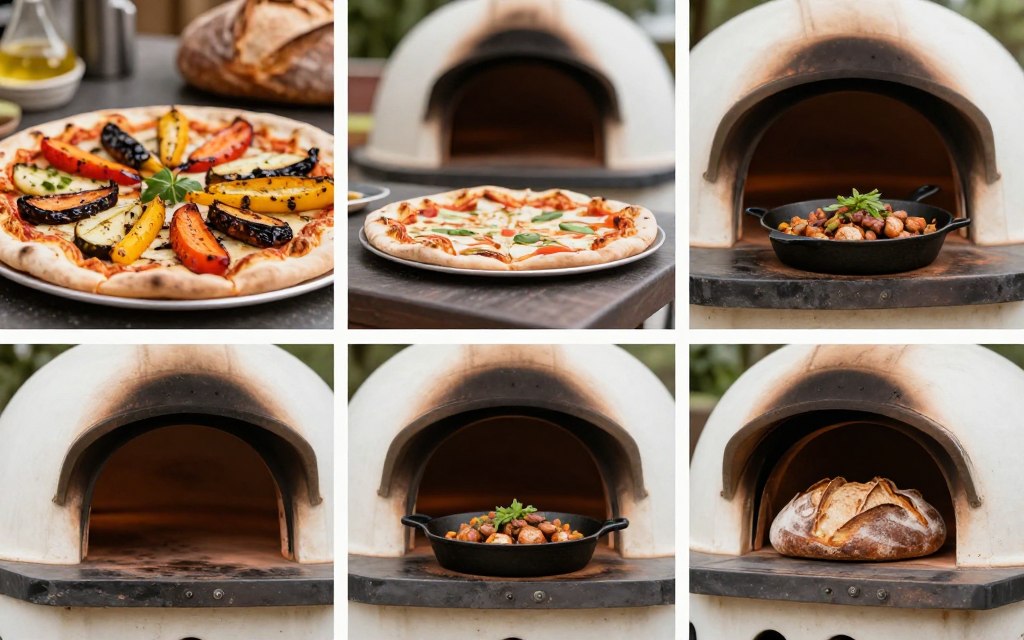
Pizza ovens excel at high-heat cooking beyond pizza. The 900°F capability and stone cooking surface work for numerous applications that benefit from intense heat.
Bread Baking
Artisan bread develops superior crust in pizza ovens. The combination of radiant heat from above and conductive heat from the stone creates professional bakery results. Let the oven cool to 500-550°F for most bread recipes.
Focaccia, ciabatta, and sourdough boules benefit particularly from pizza oven baking. The steam injection that many recipes require happens naturally as moisture from the dough hits the hot stone.
Roasted Vegetables
High heat caramelizes vegetables quickly while maintaining interior texture. Asparagus, Brussels sprouts, carrots, and bell peppers develop deep flavor in 8-12 minutes at 600-700°F.
Cast iron skillets work well for vegetable roasting in pizza ovens. The pan protects smaller pieces from falling through gaps while still delivering intense heat for caramelization.
Seared Proteins
Steaks sear beautifully at 700-800°F in a preheated cast iron pan. The reverse sear method works particularly well. Bring steak to temperature in your regular oven, then finish in the pizza oven for crust development.
Whole chickens and small roasts benefit from the even radiant heat. Cooking time reduces compared to conventional ovens thanks to the extreme temperature and heat circulation.
Flatbreads and Naan
Naan, pita, and other flatbreads puff dramatically in pizza ovens. The intense bottom heat from the stone combined with radiant heat from above creates the characteristic pocket and char that define these breads.
Cook flatbreads at 700-800°F for 60-90 seconds similar to pizza. The technique transfers directly once you master pizza launching and turning.
Maintaining Your Pizza Oven for Years of Use
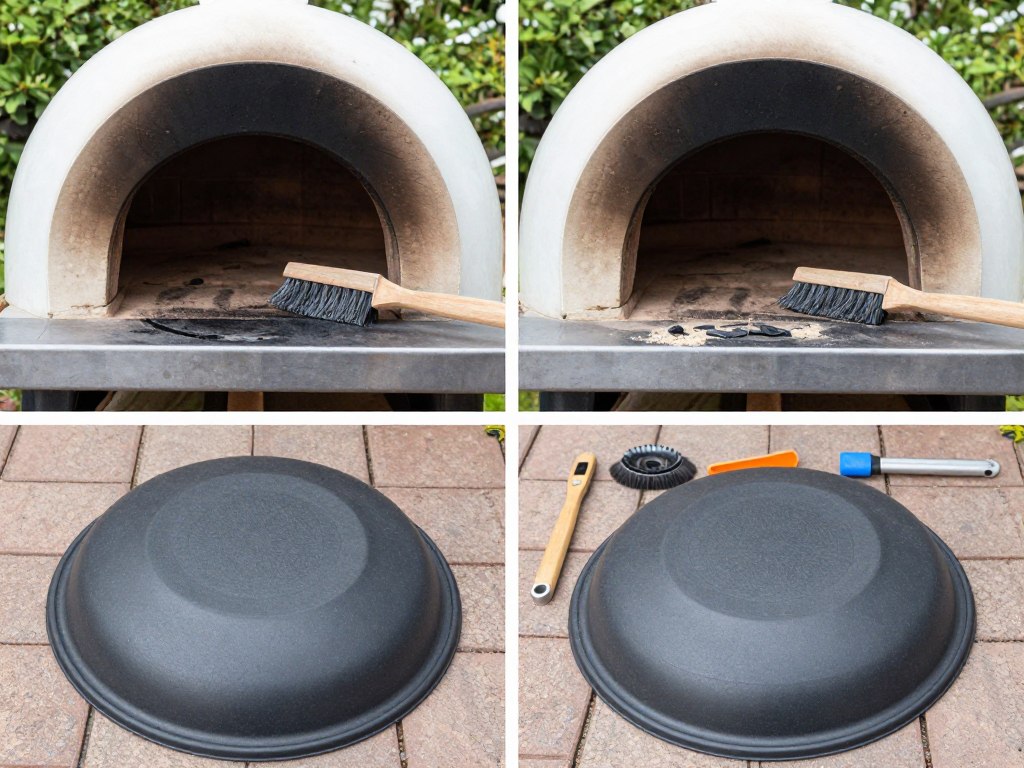
Regular maintenance extends oven life and maintains cooking performance. Different fuel types require specific care approaches. Most maintenance takes 10-15 minutes after each cooking session.
Stone Care
Never wash pizza stones with soap. The porous surface absorbs soap and releases it during subsequent cooking. Scrape debris with a metal scraper or stiff brush after the stone cools to touchable temperature.
Stains and discoloration are normal and don’t affect performance. Black spots from high heat create a seasoned surface similar to cast iron. This seasoning actually improves cooking over time.
Remove stuck cheese and burnt flour while the stone remains warm. Hardened residue becomes much more difficult to remove after complete cooling. A 15-20 minute window exists for easy cleanup.
Exterior Cleaning
Wipe exterior surfaces with a damp cloth after each use. Avoid abrasive cleaners that damage powder coating or stainless steel finishes. Mild dish soap works for stubborn grease spots.
Stainless steel models benefit from occasional polishing. Use stainless steel cleaner and follow grain direction for best results. This maintenance preserves appearance in outdoor environments.
Wood and Pellet Oven Maintenance
Remove ash buildup every 3-4 cooking sessions for wood-fired ovens. Accumulated ash restricts airflow and reduces combustion efficiency. Empty the ash pan or brush out the fire chamber completely.
Inspect the pellet hopper for moisture after rain exposure. Damp pellets swell and jam the feed mechanism. Replace any pellets that show moisture damage before your next cooking session.
Check chimney and flue for creosote buildup seasonally. Wood combustion creates residue that accumulates over time. Professional chimney brushes clear buildup safely without damaging components.
Gas Oven Maintenance
Inspect gas connections quarterly for leaks. Apply soapy water to connections and look for bubbles while gas flows. Replace any suspect fittings immediately.
Clean burner ports annually or when you notice uneven flames. Debris blocks gas flow and creates hot spots. Use a small wire brush or burner cleaning tool designed for this purpose.
Store propane tanks outdoors year-round. Temperature cycling from moving tanks between indoor and outdoor storage stresses seals and increases leak risk.
Seasonal Storage
Cover your oven when not in use for more than a week. Quality covers prevent water intrusion and UV damage. Verify the oven has cooled completely before covering to prevent moisture buildup.
Remove any detachable parts for winter storage in harsh climates. Gas burner attachments, doors, and accessories last longer when stored in temperature-controlled spaces during extreme weather.
Inspect seals and gaskets before spring use. Temperature cycling and UV exposure degrade these components over time. Replace worn seals before they affect performance.
Frequently Asked Questions About Outdoor Pizza Ovens
What is the best outdoor pizza oven for beginners?
The Ooni Koda 12 is the best outdoor pizza oven for beginners. Propane fuel eliminates the learning curve associated with fire management.
Turn the gas valve, wait 15 minutes for heating, and start cooking. The simple operation lets you focus entirely on pizza technique rather than fuel management.
At 9, the Koda 12 provides an accessible entry point without sacrificing quality. The 12-inch capacity suits couples and small families perfectly.
Is Ooni worth the money?
Yes, Ooni delivers exceptional value across its entire product line. The ovens produce restaurant-quality Neapolitan pizza that conventional ovens cannot match.
Build quality exceeds the price points. The Koda 12 at 9 uses materials and construction typically found in 0-plus competitors. The extensive ecosystem of accessories and recipes adds value beyond the hardware.
Frequency of use determines value. Cook pizza weekly and an Ooni pays for itself in saved delivery costs within months. Occasional users still benefit from the quality but the value proposition decreases.
The resale market for used Ooni ovens remains strong. Well-maintained units sell for 60-70% of new price, providing an exit strategy if the oven doesn’t fit your lifestyle.
What’s the difference between Ooni Koda and Ooni Karu?
The Ooni Koda runs exclusively on propane gas. The Ooni Karu offers multi-fuel capability with wood, charcoal, and propane options.
The Koda prioritizes simplicity and convenience. One fuel source, instant ignition, precise temperature control. The Karu provides flexibility to choose fuel based on your cooking scenario.
Price reflects this difference. The Koda 12 costs 9 versus 9 for the Karu 12G. The 0 premium buys fuel options, a glass door, and a built-in thermometer.
Both models cook excellent pizza. Choose the Koda for easiest operation. Choose the Karu for maximum versatility and the option to use wood-fired flavor.
Can you cook anything other than pizza in an Ooni?
Yes, pizza ovens excel at high-heat cooking beyond pizza. The 900°F capability works for numerous applications that benefit from intense heat.
Bread baking produces superior crust development. Artisan loaves, focaccia, and sourdough develop professional-quality results. Reduce temperature to 500-550°F for most bread recipes.
Roasted vegetables caramelize quickly at 600-700°F while maintaining texture. Steaks sear beautifully in preheated cast iron at 700-800°F. Flatbreads and naan puff dramatically similar to pizza.
The stone cooking surface and radiant heat create results that conventional ovens struggle to match. Think of a pizza oven as a high-heat specialty cooking tool rather than just a pizza maker.
How long does it take to cook a pizza in an Ooni?
A properly heated Ooni cooks a 12-inch Neapolitan pizza in 60-90 seconds. This cook time applies once the oven reaches 850-950°F.
Heat-up time ranges from 15 to 25 minutes depending on model and fuel type. Gas ovens heat fastest at 15-20 minutes. Wood-fired models take 20-25 minutes to reach optimal temperature.
Total time from cold oven to first pizza ranges from 17 to 27 minutes. Subsequent pizzas cook every 3-5 minutes accounting for assembly time and heat recovery between pies.
These timing estimates assume proper oven technique. Beginners may take 2-3 minutes per pizza initially as they develop launch and rotation skills. Speed increases naturally with practice.
Ooni vs Gozney — which is better?
Ooni offers better value and wider model selection from 9 to 9. Gozney delivers superior build quality and heat retention at premium prices starting around 9.
Choose Ooni for the most comprehensive ecosystem. Dozens of accessories, extensive recipes, and large community support make Ooni ideal for beginners and value-focused buyers.
Choose Gozney for absolute best performance and durability. The Dome S1 retains heat 12% better than comparable Ooni models. Build quality suggests decades of use versus Ooni’s 5-10 year expected lifespan.
Both brands make excellent pizza. Your decision should reflect priorities. Value and ecosystem favor Ooni. Premium build and heat performance favor Gozney.
Best Pizza Oven Under $500: Top Value Picks
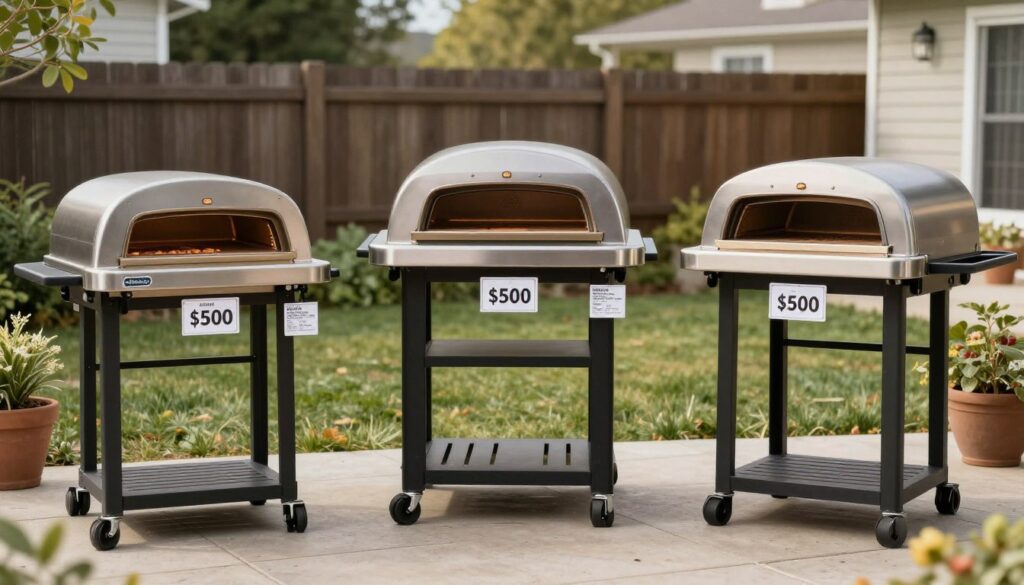
Three models deliver exceptional performance under $500. Each serves different priorities while maintaining the quality needed for authentic Neapolitan pizza at home.
Ooni Fyra 12 — Best Value at $349
The Ooni Fyra 12 costs just $349 and delivers authentic wood-fired flavor. This represents the lowest entry point for serious pizza oven performance from a reputable brand.
Wood pellet fuel produces genuine smoke character that enhances the pizza. The gravity-feed hopper system works reliably once you understand the basics. Temperature control requires more attention than gas models but becomes manageable with practice.
This oven proves you don’t need to spend $500-plus for restaurant-quality results. The learning curve exists but the payoff in flavor and value justifies the effort for wood-fire enthusiasts.
Ooni Koda 12 — Best for Convenience at $399
The Ooni Koda 12 at $399 provides the easiest path to great pizza. Propane fuel eliminates fire management complexity entirely. This model makes sense for buyers who prioritize simplicity over wood-fired flavor.
The push-button convenience means you cook great pizza on your first attempt. No learning curve on fuel management. No ash cleanup. Just turn on the gas and cook.
The $50 premium over the Fyra 12 buys substantial convenience. Casual users and beginners should spend the extra money for gas operation unless wood flavor specifically appeals.
Building Your Complete Outdoor Cooking Setup
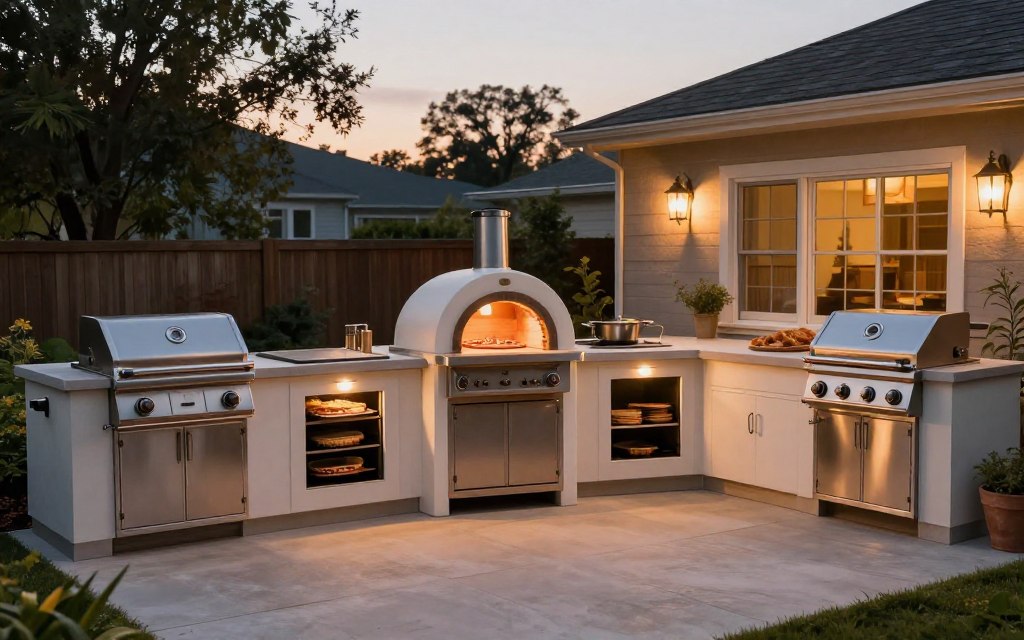
A pizza oven often serves as the gateway to expanded outdoor cooking. Understanding how different tools complement each other helps you build a versatile outdoor kitchen over time.
Pizza Oven Plus Pellet Grill
This combination covers the widest range of cooking applications. Use your pizza oven for high-heat quick cooking. Use your pellet grill for low-and-slow smoking and longer bakes.
The two tools don’t overlap in function despite both cooking food outdoors. A pizza oven cannot smoke a brisket for 12 hours. A pellet grill cannot produce authentic Neapolitan pizza at 900°F.
Budget $400-850 for a quality pizza oven plus $500-1200 for a capable pellet grill. This $900-2050 investment creates a complete outdoor cooking system that handles nearly any recipe.
Expand Your Outdoor Cooking Arsenal
Explore our detailed pellet grill rankings to find the perfect complement to your pizza oven for complete outdoor cooking versatility.
Adding a Flat Top Griddle
A flat top griddle fills the breakfast and smash burger niche that neither pizza ovens nor pellet grills handle optimally. The large cooking surface enables cooking for groups efficiently.
Quality griddles start around $300 for portable models. Built-in griddles for outdoor kitchens cost $800-2000. The versatility justifies the investment for frequent outdoor entertainers.
Position your griddle near your pizza oven to create an outdoor cooking zone. This layout minimizes movement between cooking stations during large gatherings.
Complete Your Outdoor Kitchen
Discover the best flat top griddles that pair perfectly with your pizza oven for ultimate outdoor cooking flexibility.
Choose Your Pizza Oven and Start Cooking
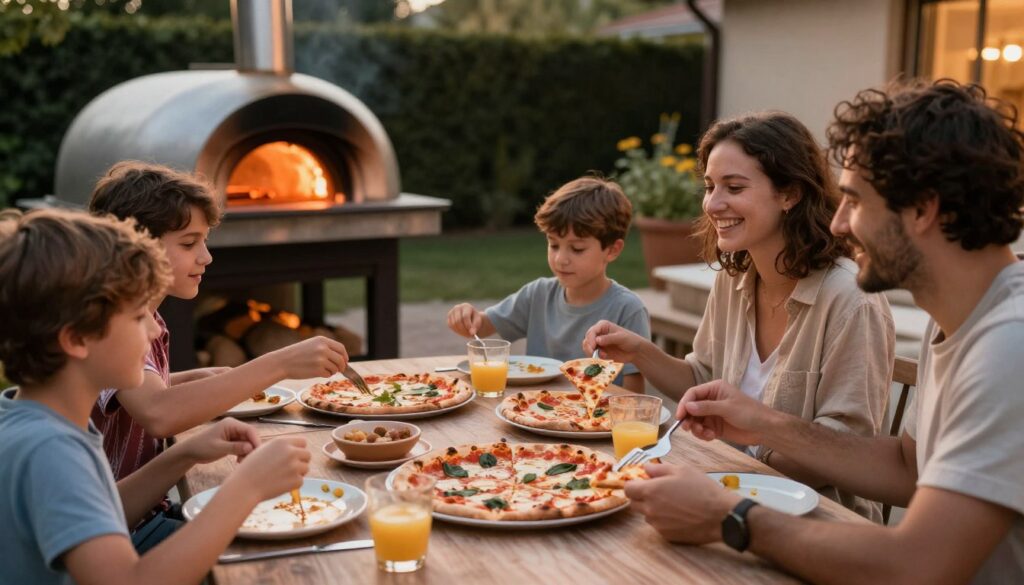
The right outdoor pizza oven depends on your specific needs and preferences. Our testing identified clear winners across different use cases and price points.
The Ooni Koda 12 remains the best first pizza oven for most people. Propane simplicity, $399 price point, and excellent results make this the default choice for beginners and value-focused buyers.
The Ooni Fyra 12 serves budget-conscious wood-fire purists. At $349 you get authentic smoke flavor without compromise. Accept the learning curve and this oven delivers exceptional value.
The Ooni Karu 12G earns our Editor’s Choice award. Multi-fuel flexibility, glass door, built-in thermometer, and excellent performance justify the $549 price for serious home cooks.
The Ooni Koda 16 handles families and entertainers best. The 16-inch capacity cuts cooking time dramatically when feeding groups. At $844 the premium makes sense for regular large gatherings.
The Ooni Karu 16 represents the premium Ooni option. Combine 16-inch capacity with multi-fuel flexibility for $849. Buy this if you want the best Ooni makes and cook frequently for groups.
The Gozney Dome S1 delivers the absolute best build quality and heat retention. At $999 this serves buyers building premium outdoor kitchens where the oven becomes a permanent centerpiece.
Pick your fuel preference, select your size, and start making better pizza than any delivery service can touch. The investment in a quality pizza oven transforms your outdoor cooking and entertaining permanently.
Ready to Start Making Pizza?
Our top recommendation for most buyers combines value, performance, and ease of use in one package.
Want Maximum Versatility?
Our Editor’s Choice delivers multi-fuel flexibility and premium features for serious home cooks.
New to Outdoor Cooking Entirely?
Start with our comprehensive outdoor cooking guide that covers everything from equipment selection to essential techniques. Build your outdoor kitchen knowledge from the foundation up.